


 Home
Home
When people hear about semaglutide, they often see both “compounded semaglutide” and “Ozempic” mentioned, which can be confusing. Are these two the same thing, or do they have major differences? Is compounded semaglutide just a cheaper version of Ozempic, or does it work differently in the body? How about the safety, quality, and how they are made—are those things the same or not? Could choosing one over the other affect the results or potential side effects?
What Is the Difference Between Compounded Semaglutide and Ozempic?
Related Encyclopedia
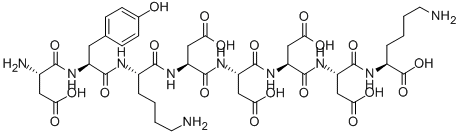
- 98849-88-8
- C41H60N10O20
- 1012.97
- All (3)
- China (3)
- (3)

- 910463-68-2
- C187H291N45O59
- 4113.57754
- All (53)
- China (51)
- (53)
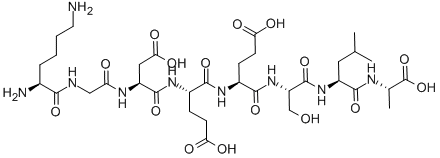
- 73984-05-1
- C34H57N9O16
- 847.87
- All (0)
- China (0)
- (0)
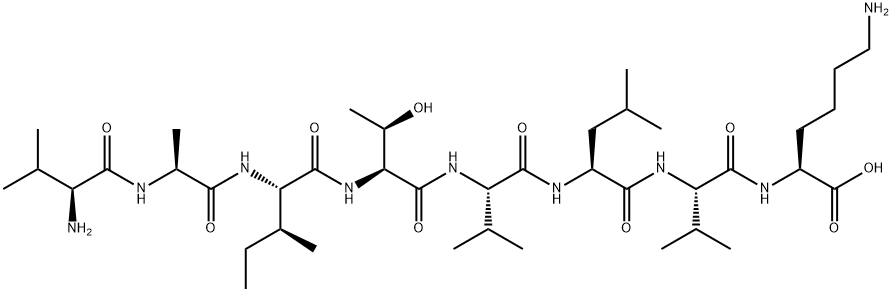
- 145224-99-3
- C40H75N9O10
- 842.08
- All (1)
- China (0)
- (1)

- 39016-05-2
- C137H225N37O49
- 3174.47
- All (1)
- China (0)
- (1)
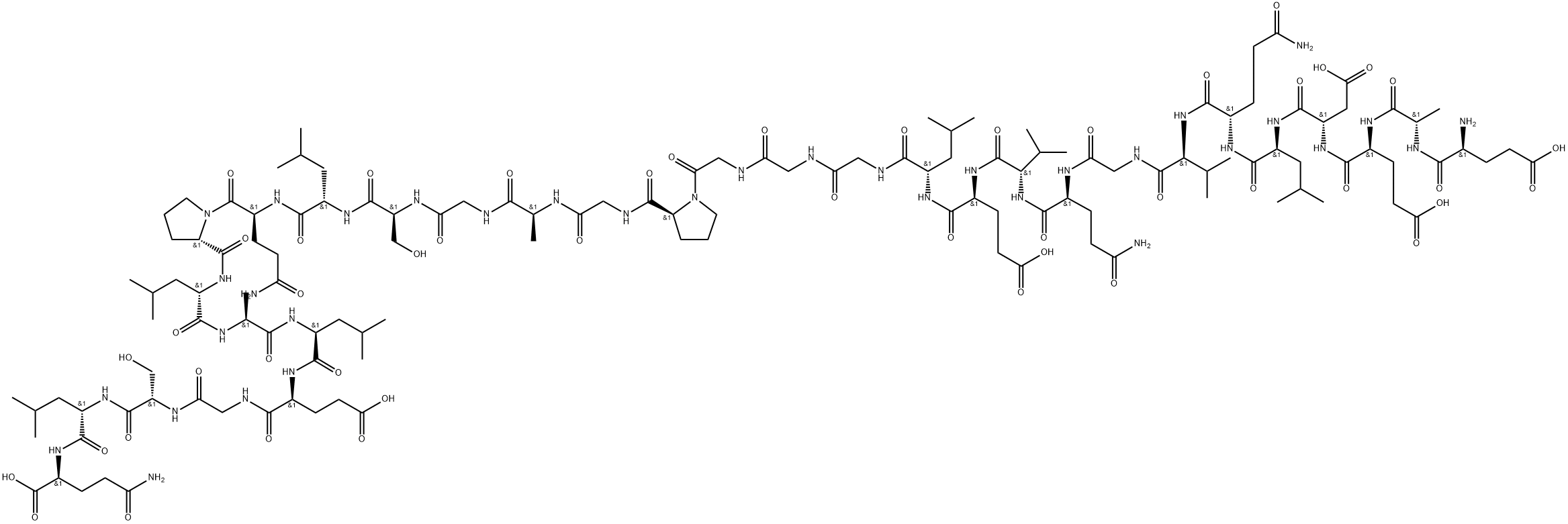
- 33017-11-7
- C129H211N35O48
- 3020.3
- All (1)
- China (0)
- (1)
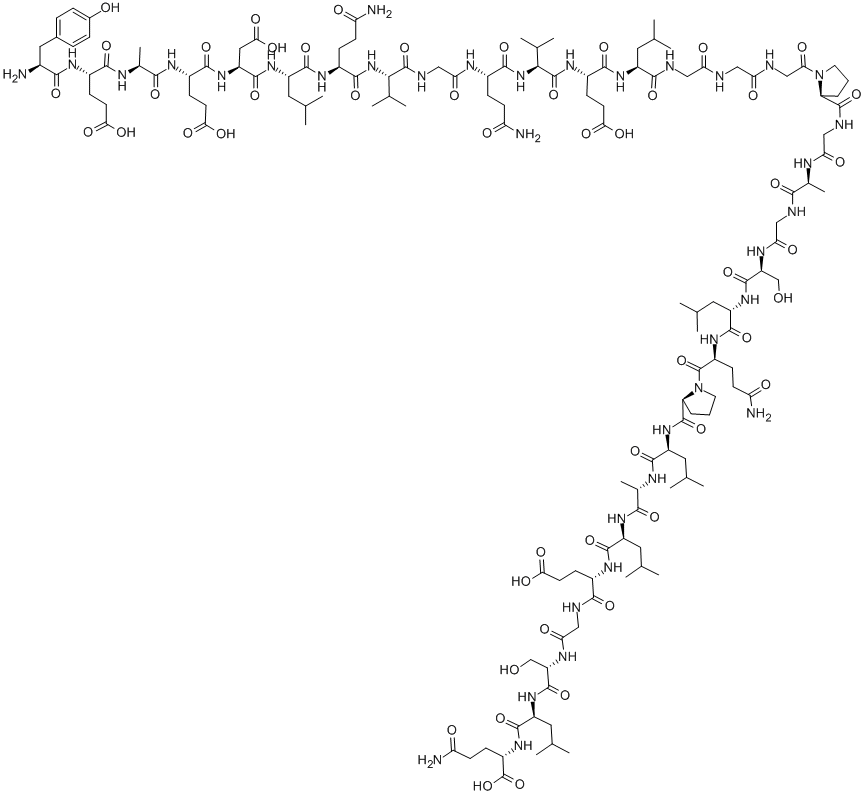
- 57327-90-9
- C138H220N36O50
- 3183.43
- All (0)
- China (0)
- (0)
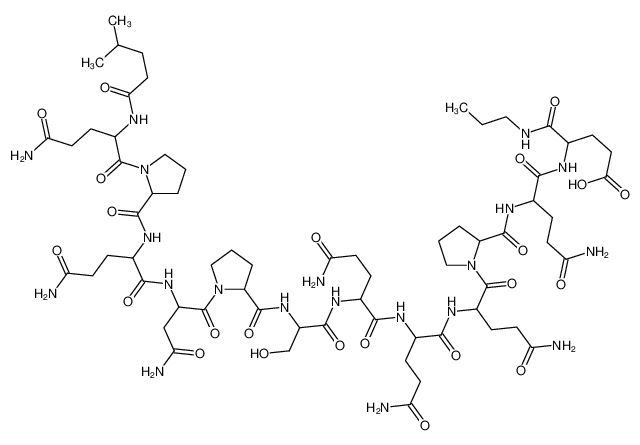
- 102362-76-5
- C109H175N31O35
- 2479.74250
- All (0)
- China (0)
- (0)
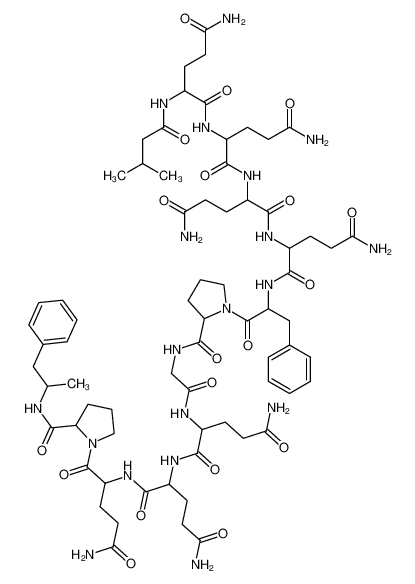
- 102380-93-8
- C170H238N44O48
- 3665.97472
- All (0)
- China (0)
- (0)
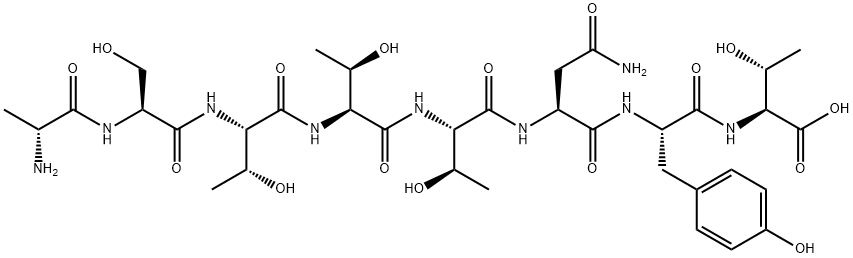
- 106362-33-8
- C35H55N9O16
- 857.86
- All (0)
- China (0)
- (0)
Related Products More >

- 910463-68-2
- USD 300.0000
- 1g
- 910463-68-2
- USD 27.0000
- 50g
- 99287-08-8
- Request For Quotation
- Plastic bottles
- 99027-06-2
- Request For Quotation
- Plastic bottles
- 98849-88-8
- Request For Quotation
- 10mg 20mg/vial,10 vials/box
- 98849-88-8
- Request For Quotation
- 10 bottles/box
- 98849-88-8
- Request For Quotation
- 98849-88-8
- Request For Quotation
- vials/bottle/box/


Compounded semaglutide, on the other hand, is made by special pharmacies when people can’t easily get the brand drug or want a different form, like a vial or capsule. It’s mixed by hand or in small batches, not mass-produced like Ozempic. That means the quality can vary a lot depending on the pharmacy. It might also have other ingredients to help with stability or taste.
Some people choose compounded versions because they’re often cheaper, but they’re not FDA-approved the same way, so there’s a little more risk if the pharmacy isn’t top-notch. Both can help with blood sugar and weight, but the main difference is how they’re made, checked for safety, and sold.
Ozempic, however, represents the standardized, FDA-approved version manufactured under strict pharmaceutical guidelines. Each dose is consistent in purity, potency, and formulation, which is critical in maintaining predictable pharmacokinetics and safety profiles. It is delivered via prefilled injection pens, ensuring accuracy and ease of use for patients. The stability of the compound is maintained through specific buffering agents and storage conditions, minimizing degradation and contamination risks.
Compounded semaglutide differs significantly because it is prepared by compounding pharmacies in smaller batches, often when brand-name products are scarce or cost-prohibitive. These versions may vary in formulation, concentration, and even the salt form of semaglutide used. Some compounded preparations use semaglutide sodium or acetate rather than the base form in Ozempic, which can alter solubility and stability. Furthermore, because compounded drugs are not subject to the same rigorous FDA approval process, their quality control depends heavily on the individual pharmacy’s practices, creating potential variability in bioavailability and safety.
The implications extend beyond individual treatment. From a healthcare systems perspective, compounded medications raise ethical and regulatory questions, especially when they are produced for cost savings rather than medical necessity. On a biochemical level, even minor deviations in excipients or peptide purity can influence receptor binding efficiency and clinical outcomes. For patients, the choice between compounded semaglutide and Ozempic touches on issues of accessibility, affordability, and trust in regulatory oversight, demonstrating how molecular pharmacology intersects with economics and public health policy.
In contrast, compounded semaglutide is prepared on an individual basis by compounding pharmacies, often during periods of drug shortage as permitted under specific FDA regulations. While the base molecule is the same, the final formulation may include different salts or be suspended in alternative vehicles to create a liquid solution from a powder. This process introduces variability; the concentration, sterility, and stability of the compounded product are not verified by a centralized regulatory authority but are instead the responsibility of the individual pharmacy.
The practical implications for a patient are significant. A prescription for Ozempic delivers a predictable and standardized therapeutic effect with a well-understood safety and side-effect profile. A prescription for a compounded version, while potentially more accessible or cost-effective, carries inherent uncertainties. The biological mechanism of action—slowing gastric emptying, promoting insulin secretion, and suppressing appetite—remains identical, but the reliability of the dose and the absence of contaminants are not uniformly guaranteed across all compounding sources. This difference in oversight and consistency is the core of the distinction between the two.
Chemically, the active ingredient semaglutide itself is the same in both, as it is a glucagon-like peptide-1 (GLP-1) receptor agonist with a structure designed to mimic the natural GLP-1 hormone, slowing gastric emptying, reducing appetite, and enhancing insulin secretion. However, the excipients—non-active ingredients like stabilizers, preservatives, or carriers—can differ significantly. Ozempic’s excipients are carefully chosen and tested to maintain the integrity of semaglutide, ensuring it remains effective during storage and administration. Compounded semaglutide may use different excipients, which can affect how the drug is absorbed in the body; for example, certain additives might alter the rate at which semaglutide enters the bloodstream, leading to inconsistent therapeutic effects or an increased risk of adverse reactions.
In clinical practice, the difference between the two matters greatly for patient safety and treatment outcomes. Ozempic is indicated for specific conditions, such as type 2 diabetes and obesity, with dosing guidelines based on clinical data that establish the optimal range for efficacy without excessive side effects. Compounded semaglutide, being unapproved, lacks such data, so healthcare providers cannot rely on established dosing protocols, and there is greater uncertainty about how it will interact with other medications a patient may be taking. Additionally, compounded preparations may not meet the same quality control standards, increasing the risk of contamination or incorrect concentrations, which could lead to serious health issues, such as hypoglycemia or injection site reactions, that are far less likely with the standardized Ozempic.
A common point of confusion is the assumption that compounded semaglutide is a cost-effective alternative to Ozempic, but this overlooks the potential hidden risks. While compounded versions may have a lower upfront cost, the lack of guarantees regarding their performance can lead to ineffective treatment—requiring additional medical interventions—or adverse events that result in higher healthcare costs overall. Moreover, because compounded semaglutide is not approved for the same uses as Ozempic, using it for indicated conditions means patients are not benefiting from the regulatory safeguards that ensure the medication they are taking is both safe and effective for its intended purpose.