


 Home
Home
People often wonder if semaglutide, a medication used for weight loss and diabetes management, actually boosts metabolism. Since metabolism plays a big role in how quickly the body burns calories and processes energy, this question matters to anyone trying to lose weight or control blood sugar. Does semaglutide make your body burn more calories, or does it work in a different way to help with weight loss?
Does Semaglutide Speed Up Metabolism?
Related Encyclopedia
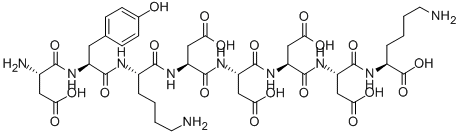
- 98849-88-8
- C41H60N10O20
- 1012.97
- All (3)
- China (3)
- (3)

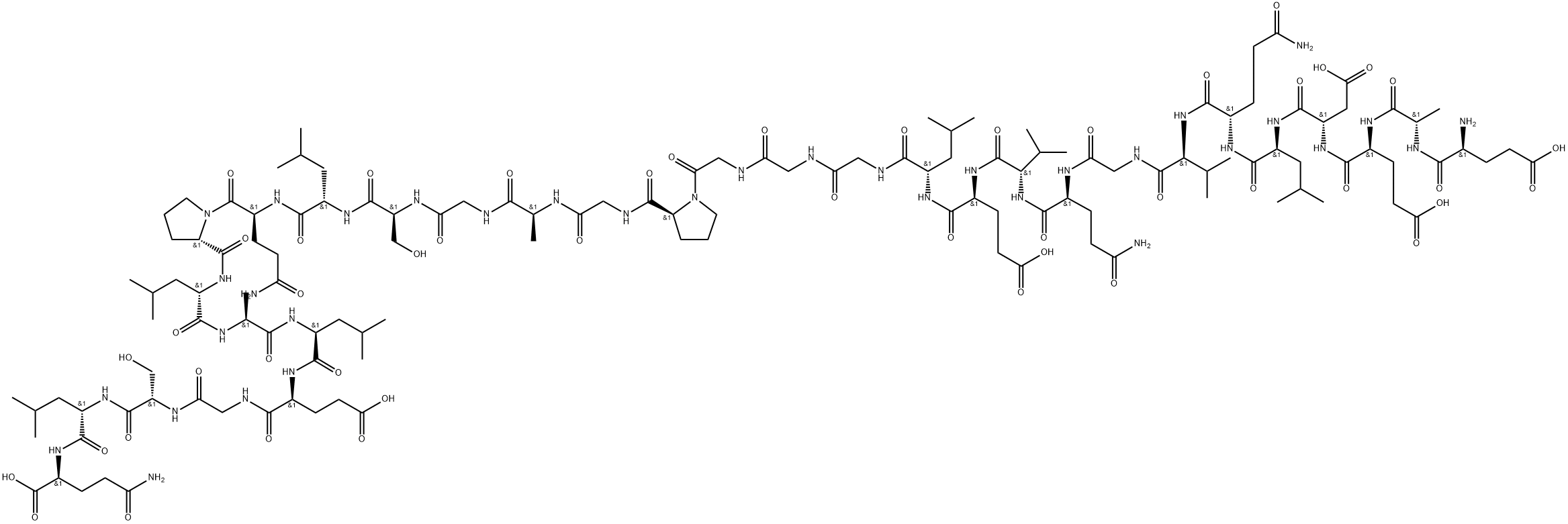
- 910463-68-2
- C187H291N45O59
- 4113.57754
- All (53)
- China (51)
- (53)
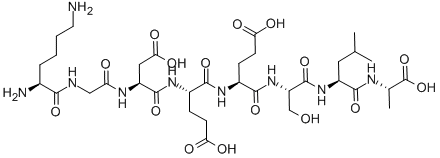
- 73984-05-1
- C34H57N9O16
- 847.87
- All (0)
- China (0)
- (0)
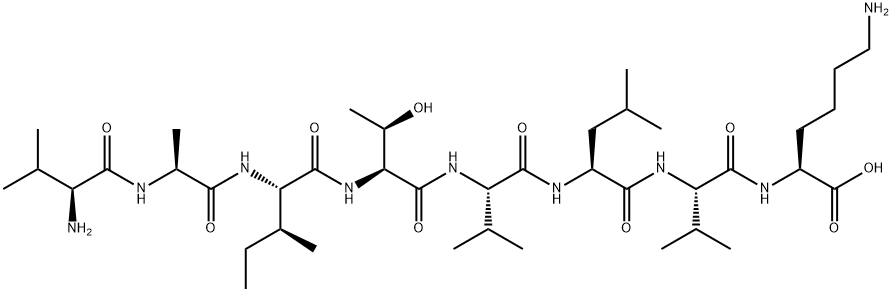
- 145224-99-3
- C40H75N9O10
- 842.08
- All (1)
- China (0)
- (1)

- 39016-05-2
- C137H225N37O49
- 3174.47
- All (1)
- China (0)
- (1)
- 33017-11-7
- C129H211N35O48
- 3020.3
- All (1)
- China (0)
- (1)
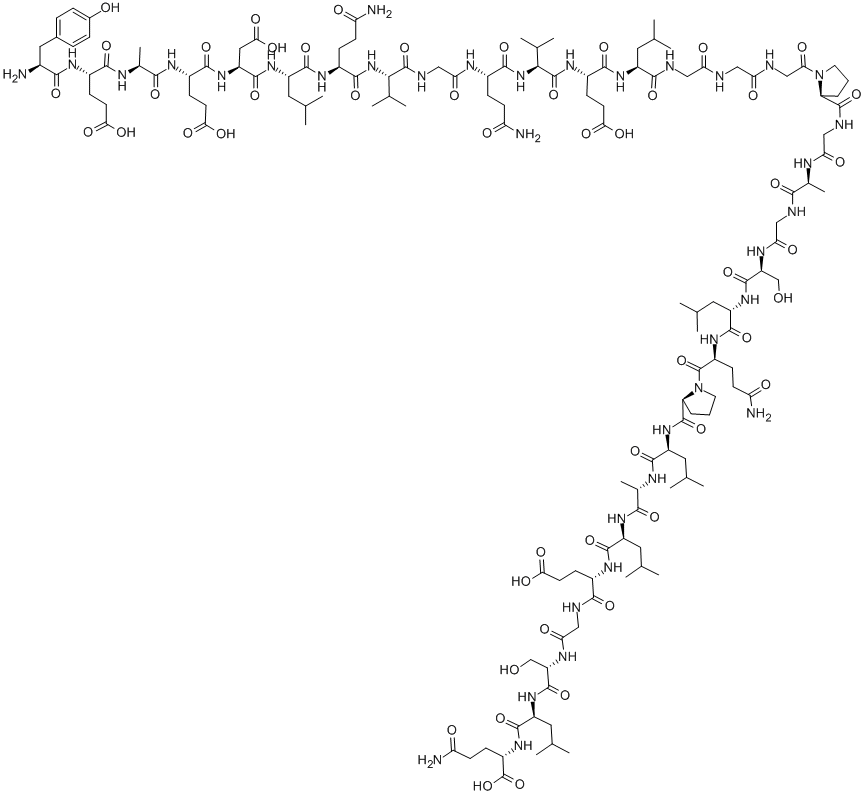
- 57327-90-9
- C138H220N36O50
- 3183.43
- All (0)
- China (0)
- (0)
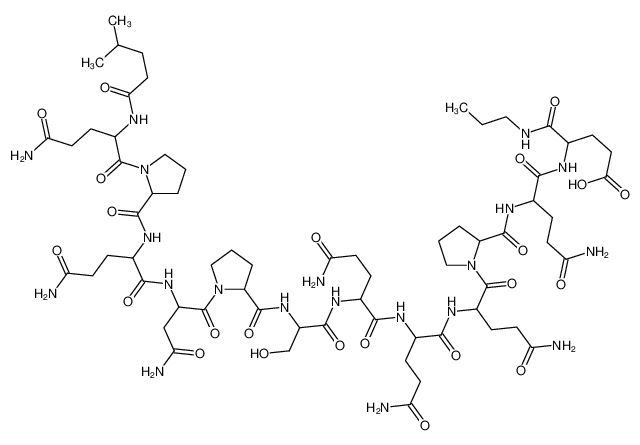
- 102362-76-5
- C109H175N31O35
- 2479.74250
- All (0)
- China (0)
- (0)
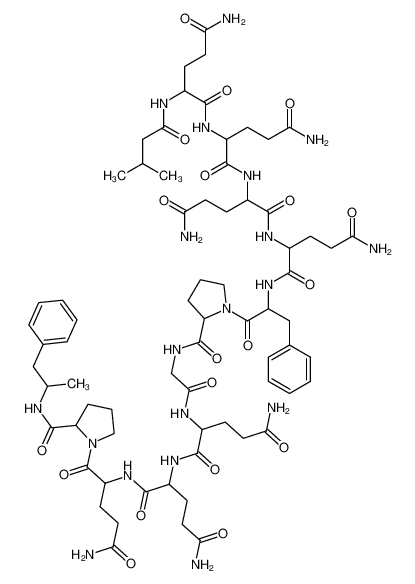
- 102380-93-8
- C170H238N44O48
- 3665.97472
- All (0)
- China (0)
- (0)
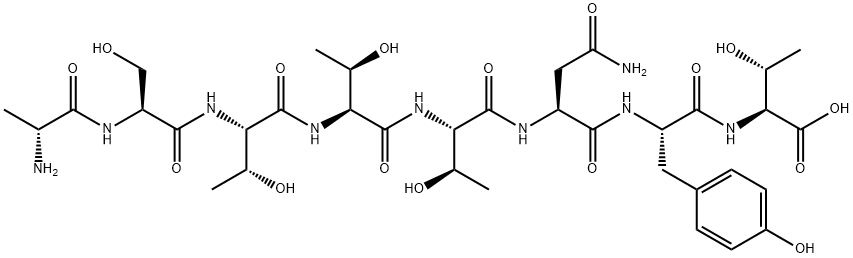
- 106362-33-8
- C35H55N9O16
- 857.86
- All (0)
- China (0)
- (0)
Related Products More >

- 910463-68-2
- USD 300.0000
- 1g
- 910463-68-2
- USD 27.0000
- 50g
- 99287-08-8
- Request For Quotation
- Plastic bottles
- 99027-06-2
- Request For Quotation
- Plastic bottles
- 98849-88-8
- Request For Quotation
- 10mg 20mg/vial,10 vials/box
- 98849-88-8
- Request For Quotation
- 10 bottles/box
- 98849-88-8
- Request For Quotation
- 98849-88-8
- Request For Quotation
- vials/bottle/box/


Because you’re eating less, your body naturally uses fewer calories, which leads to weight loss over time. But that’s not the same as speeding up your metabolism. In fact, your metabolism might actually slow down a little because you’re taking in fewer calories. So, if you were hoping for a magic calorie-burning boost, that’s not really what semaglutide does. It’s more about changing hunger signals in your brain so sticking to a healthy diet feels easier.
From a biochemical perspective, semaglutide modulates insulin secretion and glucagon suppression in a glucose-dependent manner, helping maintain stable blood sugar levels. This endocrine regulation indirectly affects energy utilization because improved glycemic control minimizes excessive insulin fluctuations, reducing fat storage tendencies. However, the resting energy expenditure, which represents the body’s baseline metabolic rate, does not significantly increase under semaglutide therapy. Any perceived metabolic change is largely a secondary effect of weight reduction, since lean body mass and energy balance shifts can slightly alter metabolic demands over time.
In practical terms, the drug’s impact extends beyond metabolism alone. It is widely used in clinical settings for type 2 diabetes and obesity management, reducing cardiovascular risk factors such as elevated glucose, blood pressure, and lipid profiles. Outside direct therapeutic effects, its mechanism underscores a broader principle in energy physiology: appetite regulation often plays a more pivotal role in weight control than attempts to accelerate metabolic speed artificially. Understanding this distinction is crucial for individuals seeking sustainable weight management strategies, as reliance on metabolic acceleration alone rarely addresses the underlying behavioral and hormonal dynamics that contribute to obesity.
Indirectly, the substantial weight loss facilitated by semaglutide can influence metabolic efficiency. As an individual loses a significant amount of body mass, especially fat mass, the body may experience a decrease in basal metabolic rate—a common physiological adaptation to weight loss. However, the improved insulin sensitivity and better glycemic control resulting from the drug's action can enhance the body's efficiency in utilizing energy from food, which might be perceived as a metabolic improvement.
For example, an individual with obesity and insulin resistance taking semaglutide will likely consume fewer calories, lose weight, and see their blood sugar levels stabilize. This metabolic normalization, where the body more effectively processes carbohydrates and fats for energy instead of storing them, creates a state of improved metabolic health. The overall effect is a shift towards a more functional metabolic profile, driven by weight loss and hormonal regulation rather than a direct stimulation of metabolism. The narrative is one of metabolic correction and enhanced efficiency.
The distinction between semaglutide’s effects and true metabolic acceleration is critical. Metabolic acceleration typically refers to an increase in the rate at which the body burns calories at rest, often linked to factors like muscle mass or thyroid function. Semaglutide, by contrast, reduces caloric intake through appetite suppression, which can lead to weight loss; over time, this weight loss might indirectly affect metabolism, as less body mass generally lowers overall energy needs, though this is a secondary effect, not a direct stimulation of metabolic processes.
A common misconception is equating the weight loss from semaglutide to a boosted metabolism, but the two are mechanistically distinct. The drug’s impact on body weight stems from behavioral changes in eating patterns rather than altering the body’s intrinsic calorie-burning machinery. This understanding is important for managing expectations: while semaglutide can be effective for weight management in appropriate patients, its benefits arise from appetite regulation and glycemic control, not from a direct metabolic boost.