


 Home
Home
Ever wondered what exactly goes into a keratin treatment and how it's supposed to make your hair look smoother and shinier? Is it something you can safely do by yourself at home, or is it better left to a professional in a salon? What are the steps involved, and how long does it actually last? Do you need special products before or after the treatment? And what about the safety side—are there any chemicals you should watch out for?
How Do You Do a Keratin Treatment at Home or in a Salon?
Related Encyclopedia

- 50-00-0
- CH2O
- 30.03
- All (37)
- China (33)
- (37)

- 27848-81-3
- C3H5O3.Li
- 96.01
- All (37)
- China (33)
- (37)

- 8013-13-6
- CH2O
- 30.02600
- All (37)
- China (33)
- (37)
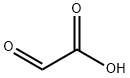
- 298-12-4
- C2H2O3
- 74.04
- All (46)
- China (16)
- (46)
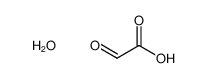
- 6000-59-5
- C2H4O4
- 92.05080
- All (0)
- China (0)
- (0)
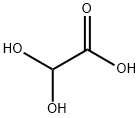
- 563-96-2
- C2H4O4
- 92.05
- All (12)
- China (8)
- (12)
- 3228-24-8
- CH2O
- 32.02570
- All (0)
- China (0)
- (0)
- 29881-90-1
- C9H20N2
- 156.26800
- All (0)
- China (0)
- (0)

- 36214-48-9
- C2H6N2
- 58.08240
- All (0)
- China (0)
- (0)
- 22418-64-0
- C11H24O2
- 188.30700
- All (0)
- China (0)
- (0)
Related Products More >

- 50-00-0
- Request For Quotation
- 50-00-0
- CNY 1000.0000
- 1ton
- 30525-89-4
- USD 80.0000
- 25kg
- 9003-35-4
- Request For Quotation
- 500g
- 9003-35-4
- Request For Quotation
- 25kg
- 9003-35-4
- Request For Quotation
- 500g
- 9003-35-4
- Request For Quotation
- 10g
- 9003-35-4
- Request For Quotation
- 100g


You can do it at home if you're comfortable using a flat iron and can follow the instructions closely, but many people prefer going to a salon to get the best results. It usually lasts for a few months, depending on your hair type and how often you wash it. Just remember, some treatments may contain strong chemicals like formaldehyde, so it's a good idea to check the label and make sure the room is well-ventilated.
So, if you're looking for smoother hair without daily straightening, this might be worth trying—but is it the right choice for your hair type and lifestyle?
From a biochemical perspective, the treatment exploits the hair’s inherent affinity for protein due to its high cysteine content. Keratin formulas often include aldehydes or glyoxylic acid derivatives that, under heat, form cross-links between hair fibers and the added protein. This cross-linking effect is what reinforces hair structure and creates the semi-permanent smoothing effect. Physically, heat—usually in the range of 200–230°C—is essential to reshaping the hair’s structure and embedding the keratin into the cortex.
The interdisciplinary implications are notable. In cosmetology, keratin treatments reflect a synthesis of materials science and organic chemistry, combining protein engineering with thermal physics. In industrial applications, similar protein-based coatings are used for bio-compatible films and structural reinforcements. In dermatology and trichology, understanding keratin pathways contributes to treatments for hair shaft disorders and skin barrier dysfunction.
Practically, keratin treatments offer a time-saving alternative to daily styling for individuals in humid environments or with highly porous hair types. However, their effects are temporary, typically lasting 2–4 months, and repeated use may lead to cumulative heat or chemical damage if not managed properly. Furthermore, the presence of formaldehyde-releasing agents in some formulations has raised health concerns, particularly in poorly ventilated spaces, prompting the development of formaldehyde-free alternatives.
Viewed more broadly, keratin treatments exemplify how molecular manipulation can intersect with beauty routines, turning structural biology into a consumer service. They also underscore the fine line between cosmetic enhancement and potential exposure to reactive compounds—highlighting the importance of regulation, formulation innovation, and informed consumer choices.
The key to its effectiveness lies in how keratin interacts with the hair’s existing proteins. Healthy hair is rich in keratin, but damage from heat, chemicals, or environmental factors can deplete it, leading to dryness and breakage. By replenishing keratin, the treatment fills in gaps in the hair shaft, making it smoother and more resistant to damage. For example, someone with curly, frizzy hair that’s hard to style might find that after a keratin treatment, their hair lies flatter, is easier to brush, and retains a polished look even in humid weather. It’s important to note that results vary based on hair type and the specific treatment formula, with some lasting up to three months with proper care, such as using sulfate-free shampoos to avoid stripping the keratin layer.
The mechanism relies on the interplay between heat and chemical agents. During application, a keratin solution is coated onto sections of hair, which is then sealed with a flat iron at high temperatures (typically 400-450°F). The heat opens the cuticle, allowing the keratin to penetrate, while the flat iron’s pressure re-forms the hair’s bonds into a smoother alignment. This process doesn’t permanently alter hair structure like a relaxer but provides a semi-permanent solution for frizz control. For example, someone with coarse, curly hair might see a 50-70% reduction in volume, making daily styling significantly easier.
Post-treatment care is critical to longevity. Sulfate-free shampoos are essential, as sulfates strip the keratin, while excessive washing or swimming in chlorinated water can accelerate fading. A practical example: someone who switches to sulfate-free products and limits heat styling may extend the treatment’s effects from 6 to 12 weeks. However, overuse can lead to protein overload, causing brittleness—highlighting the need for balance. The treatment’s appeal lies in its customization; formulations vary for fine, thick, or color-treated hair, demonstrating its adaptability to diverse needs.