


 Home
Home
In a classroom discussion, a student holds up a plastic water bottle and asks, "Can electricity flow through this?" It’s a great question! So, is plastic a conductor or insulator? Let’s unravel it.
Is Plastic a Conductor or Insulator?
Related Encyclopedia

- 9003-11-6
- (C3H6O.C2H4O)x
- 102.13
- All (13)
- China (2)
- (13)

- 9003-07-0
- C22H42O3
- 42.08
- All (98)
- China (24)
- (98)

- 9002-86-2
- C2H3Cl
- 62.49822
- All (75)
- China (10)
- (75)
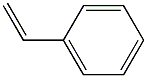
- 25086-18-4
- C8H8
- 104.14912
- All (33)
- China (14)
- (33)
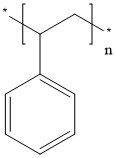
- 9003-53-6
- [CH2CH(C6H5)]n
- 2.01588
- All (33)
- China (14)
- (33)
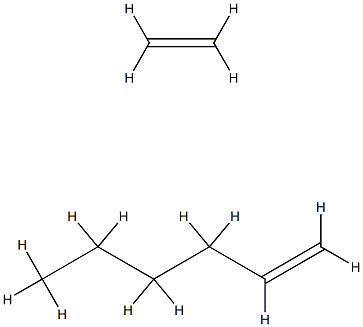
- 25213-02-9
- C8H16
- 112.21264
- All (24)
- China (2)
- (24)
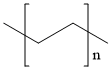
- 9002-88-4
- (C2H4)n
- 28.05316
- All (24)
- China (2)
- (24)
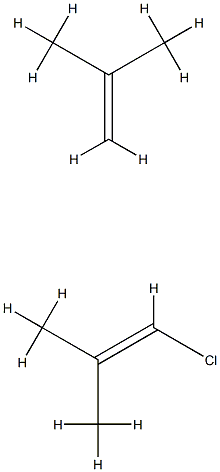
- 68442-33-1
- C8H15Cl
- 146.6577
- All (2)
- China (0)
- (2)
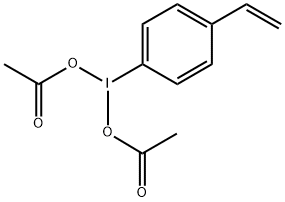
- 36290-94-5
- C12H13IO4
- 348.14
- All (0)
- China (0)
- (0)
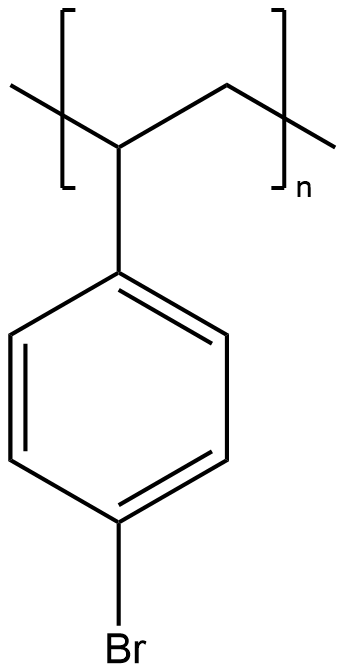
- 88497-56-7
- (C10H13Br)n
- 213.11422
- All (24)
- China (8)
- (24)
Related Products More >

- 9002-86-2
- CNY Request For Quotation
- 63231-66-3
- CNY Request For Quotation
- 9002-88-4
- Request For Quotation
- 25322-69-4
- Request For Quotation
- 25322-69-4
- Request For Quotation
- 25322-68-3
- Request For Quotation
- 9003-07-0
- CNY 10.0000
- 25kg
- 9002-86-2
- CNY 10.0000
- 25kg


This property makes plastic ideal for coating wires or electronics. But don’t take it for granted: some plastics can conduct electricity if altered, but that’s a story for another day. For now, rest assured: your pen, phone case, and that water bottle? All safe, static-loving insulators!
However, there are conductive plastics engineered for specific applications. These are typically modified with additives (e.g., carbon black, metal powders, or conductive polymers like polyaniline) to introduce charge-carrying pathways. Such conductive plastics are used in antistatic coatings, electromagnetic shielding, or flexible electronics. But these are specialized exceptions; the vast majority of plastics remain insulators in their natural state due to their molecular structure.
Why? Molecular Band Baaja!
Covalent Bond Lockdown:
Atoms share electrons tightly (localized electrons). No free-flowing "electron tamasha" like in metals!
Real-Life Impact: Insulator King!
✅ Wiring & Safety:
PVC coats electrical wires (your fan/switches). Prevents shocks—no "bijli ka jhatka" while using mixer-grinder!
Switches, sockets are plastic: HUMAN TOUCH = SAFE.
⚠️ Static Danger!:
Rub plastic (e.g., comb on hair). Electrons build up → static zap! Not conduction—just trapped charges jumping ship!
🔥 Heat Warning: Melted plastic can burn skin, but STILL won’t conduct current!
Exceptions? Nano-Tech Tamasha!
Rare cases only:
Conductive polymers (e.g., polyacetylene + iodine doping)
Used in fancy OLED screens—nahi toh, pure plastic = eternal insulator!
Daily Proof: Try This Ghar Experiment!
Wrap phone charger wire in polybag. Touch exposed metal pins→ NO SHOCK! Insulation works. (Chai test: dip conductive spoon in plastic cup—no tingles!)
Now, from a health and safety point of view, this is super important. The insulating nature of plastic protects people from electric currents, especially in homes, phones, and appliances. But not all plastics are created equal. Some are specially treated for heat resistance or strength, depending on their use.
In the chemical and manufacturing industries, plastic is everywhere. It’s used in packaging, electronics, automotive parts, medical equipment—you name it. It’s cheap, durable, and easy to mold, which is why it dominates so many sectors.
But let’s not forget the environmental impact. Most plastics don’t break down easily, leading to serious pollution problems. Microplastics can end up in the ocean, food, and even our bodies. That’s why there’s a big push for biodegradable plastics and better recycling systems.