


 Home
Home
Hi, I'd like to ask—what does low carbon dioxide levels mean? Could you explain why? Also, what health problems might low carbon dioxide in the blood suggest, like metabolic acidosis? How does overbreathing or rapid breathing lead to lower carbon dioxide levels? And what effects can low carbon dioxide have on the nervous and cardiovascular systems? Thanks!
What Does Low Carbon Dioxide (CO₂) Indicate?
Related Encyclopedia
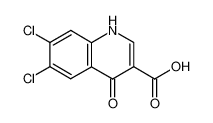
- 26893-20-9
- C10H5Cl2NO3
- 258.05800
- All (0)
- China (0)
- (0)
- 77944-79-7
- C3H8O3
- 92.09
- All (0)
- China (0)
- (0)
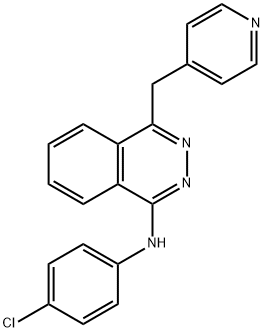
- 212141-54-3
- C20H15ClN4
- 346.81
- All (0)
- China (0)
- (0)
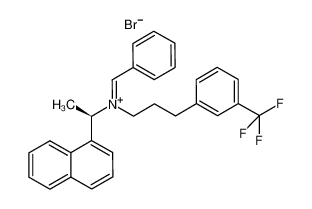
- 1245374-92-8
- C29H27BrF3N
- 526.43100
- All (0)
- China (0)
- (0)
- 67097-24-9
- C14H13NO2
- 227.25900
- All (0)
- China (0)
- (0)
- 102948-76-5
- C26H20N4S
- 420.52900
- All (0)
- China (0)
- (0)
- 148245-81-2
- C27H31NO4
- 433.53900
- All (0)
- China (0)
- (0)
- 50289-34-4
- C18H21NO3Si
- 327.45000
- All (0)
- China (0)
- (0)
- 50961-68-7
- C9H14N2O2
- 182.22000
- All (0)
- China (0)
- (0)
- 21451-74-1
- C17H18N2
- 250.34000
- All (0)
- China (0)
- (0)
Related Products More >
- 87-90-1
- CNY Request For Quotation
- 7664-38-2
- CNY Request For Quotation
- CNY Request For Quotation
- CNY Request For Quotation
- CNY Request For Quotation
- CNY Request For Quotation
- CNY Request For Quotation
- CNY Request For Quotation


Health Conditions Associated with Low CO₂
Condition Mechanism CO₂ Range (mmHg)
Respiratory Alkalosis Anxiety-induced hyperventilation <30
Sepsis Compensatory response to lactic acidosis 25-35
Pulmonary Embolism Increased alveolar ventilation 30-35
Salicylate Poisoning Direct respiratory center stimulation <25
Metabolic Clues:
Low HCO₃⁻ (<22 mEq/L) suggests compensatory metabolic acidosis
Normal HCO₃⁻ indicates pure respiratory alkalosis
Hyperventilation-Induced CO₂ Reduction
Acute Mechanism (e.g., panic attack):
Rapid breathing → ↓PaCO₂ → ↑blood pH (7.45-7.60)
Bohr Effect: Hemoglobin’s oxygen affinity increases, reducing tissue O₂ delivery
Chronic Causes (e.g., high-altitude adaptation):
Renal compensation excretes HCO₃⁻ over 24-72 hours
Neurological & Cardiovascular Impacts
Neurological Effects
Cerebral Vasoconstriction: 30% blood flow reduction per 10 mmHg PaCO₂ drop
Symptoms:
Lightheadedness (pH >7.50)
Tetany (low ionized Ca²⁺ from alkalosis)
Seizures (severe cases)
Cardiovascular Effects
Parameter Change Clinical Risk
Coronary Blood Flow ↓20-40% Angina exacerbation
Arrhythmia Threshold Lowered QT prolongation
Systemic Vascular Resistance ↑15% Increased cardiac workload
Diagnostic Approach
ABG Analysis: Confirm PaCO₂ and pH
Electrolytes: Check for hypokalemia/hypocalcemia
Toxicology Screen: Rule out salicylate poisoning
1. Health Issues Linked to Low Blood CO₂
Metabolic acidosis: Paradoxically, low CO₂ may occur as the body compensates for acidosis by hyperventilating to expel CO₂ (e.g., in diabetic ketoacidosis or renal failure).
Respiratory alkalosis: Primary cause, often due to:
Anxiety/stress-induced hyperventilation (rapid breathing blows off CO₂).
Lung conditions (e.g., pulmonary embolism, pneumonia) stimulating over-breathing.
Mechanical ventilation set to excessive respiratory rates.
High-altitude exposure: Reduced oxygen prompts hyperventilation, lowering CO₂.
2. How Rapid Breathing Lowers CO₂
Normal breathing balances CO₂ production (via metabolism) and elimination. Tachypnea (fast breathing) increases alveolar ventilation, causing excessive CO₂ exhalation. This reduces blood pCO₂, shifting the body’s acid-base balance toward alkalosis (pH >7.45).
3. Effects on Nervous and Cardiovascular Systems
Nervous system: Alkalosis reduces cerebral blood flow (CO₂ is a vasodilator), potentially causing dizziness, lightheadedness, or tingling/numbness (from reduced ion permeability in nerves).
Cardiovascular system: Low CO₂ may increase heart rate (tachycardia) and risk of arrhythmias due to electrolyte shifts (e.g., reduced ionized calcium), worsening in severe cases.
In biological contexts, such as in human blood, a lower than normal CO2 level (hypocapnia) could indicate respiratory alkalosis, where the rate and depth of breathing are increased leading to excessive CO2 exhalation. This condition may arise from anxiety disorders, fever, or overuse of salicylate medications. Symptoms can include dizziness, lightheadedness, and tingling sensations.
In practical applications, controlled environments like greenhouses might monitor CO2 levels to optimize plant growth since CO2 is essential for photosynthesis. If CO2 drops too low, plants' growth rates can diminish significantly.
When dealing with low CO2 levels, especially in medical scenarios, it's crucial to address the underlying cause. For instance, in cases of respiratory alkalosis, treatment focuses on addressing the cause of hyperventilation rather than CO2 supplementation directly. In agricultural settings, CO2 generators may be used to maintain optimal greenhouse conditions. Awareness and management of CO2 levels are vital for both environmental health and human safety, ensuring balanced ecosystems and physiological functions.