


 Home
Home
Many people wonder how they can naturally support their body's ability to make collagen. What nutrients or lifestyle habits are important to help collagen production? Are there specific foods or supplements that make a difference? How do vitamins and proteins play a role in this process? What simple steps can someone take to promote healthy collagen levels in their skin, hair, and joints? What really helps collagen production the most?
What Helps Collagen Production and How Can You Boost It?
Related Encyclopedia
- 9007-34-5
- 0
- All (14)
- China (1)
- (14)
- 9064-67-9
- C4H6N2O3R2.(C7H9N2O2R)n
- 0
- All (14)
- China (1)
- (14)
- 78619-96-2
- C6H8O6
- 176.12400
- All (24)
- China (1)
- (24)
- 92113-31-0
- CO(NH2)2,Fe+++
- 0
- All (3)
- China (0)
- (3)

- 115044-69-4
- C103H185N31O24S
- 2273.83
- All (0)
- China (0)
- (0)
- 617-41-4
- C4H5ClO4
- 152.53300
- All (0)
- China (0)
- (0)
- 90698-81-0
- 0
- All (0)
- China (0)
- (0)
- 9015-54-7
- 0.00000
- All (0)
- China (0)
- (0)
- 222400-29-5
- 0
- All (1)
- China (1)
- (1)
- 138250-06-3
- C91H139N27O22
- 1963.25000
- All (0)
- China (0)
- (0)
Related Products More >

- 9010-10-2
- CNY Request For Quotation
- 9010-10-1
- CNY Request For Quotation
- 9010-10-0
- CNY Request For Quotation
- CNY Request For Quotation
- CNY Request For Quotation
- CNY Request For Quotation
- 86404-04-8
- CNY Request For Quotation
- 86404-04-8
- CNY Request For Quotation


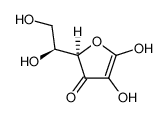
Cofactors are equally essential. Vitamin C acts as a coenzyme in hydroxylation reactions, modifying proline and lysine to form hydroxyproline and hydroxylysine, which stabilize the triple helix. Without sufficient vitamin C, collagen fibers remain weak and unable to support tissue structure, highlighting its role beyond mere antioxidant function. Copper, found in nuts and shellfish, supports lysyl oxidase, an enzyme that strengthens collagen by creating covalent bonds between fibers, enhancing tensile strength in tissues like tendons and skin.
Physiologically, adequate hydration ensures fibroblasts remain functional, as water is integral to peptide bond formation and molecular transport. Conversely, chronic inflammation—triggered by factors like poor diet or stress—can activate matrix metalloproteinases, enzymes that break down collagen, emphasizing the need for anti-inflammatory practices such as regular exercise and stress management.
Lifestyle factors also play a role: protecting skin from excessive UV exposure prevents damage to existing collagen fibers and reduces the need for repair, preserving resources for new synthesis. Avoiding excessive sugar intake is critical too, as high glucose levels can glycate collagen, impairing its structure and elasticity—a process distinct from enzymatic breakdown, as glycation is irreversible.
A common misconception is that collagen supplements alone drive production; while they provide amino acids, their effectiveness depends on cofactors and reduced collagen degradation. Another misunderstanding is equating "more protein" with better synthesis—balanced intake of specific amino acids and cofactors matters more than total protein quantity.
Together, these elements—nutrients, cellular conditions, and lifestyle choices—create an environment where collagen synthesis is efficient and its integrity is maintained, underscoring that collagen health is a systemic process rather than a single-nutrient solution.
Zinc and copper further support collagen production by functioning as cofactors for lysyl oxidase, an enzyme that cross-links collagen fibers, enhancing their tensile strength. Zinc deficiency impairs this step, resulting in loosely arranged fibers prone to rupture, while copper’s role in oxidative deamination ensures proper fiber alignment. Antioxidants like vitamin E and polyphenols (found in berries, nuts, and green tea) protect newly synthesized collagen from free radical damage, preserving its functionality in environments exposed to UV light or pollution.
In daily life, dietary strategies focus on combining these nutrients: a spinach salad with citrus dressing (vitamin C), pumpkin seeds (zinc), and almonds (vitamin E) creates a synergistic meal for collagen support. Topical applications of vitamin C serums or copper-peptide creams leverage these mechanisms to stimulate skin fibroblasts directly. Industrially, these principles guide the formulation of skincare products and nutritional supplements, where stabilized forms of vitamin C (ascorbyl palmitate) or zinc gluconate are added to enhance bioavailability.
Medically, collagen production is harnessed in wound healing, where dressings infused with growth factors and amino acids accelerate tissue regeneration. From a broader perspective, understanding collagen synthesis bridges biochemistry, nutrition, and material science, offering insights into age-related tissue decline and inspiring bioengineered scaffolds for regenerative medicine. This interdisciplinary approach redefines how we address collagen-related disorders, emphasizing prevention through nutrition and targeted interventions in clinical settings.
Nutritional intake plays a pivotal role in supporting collagen biosynthesis. Adequate protein consumption ensures the supply of necessary amino acids, while vitamin C-rich foods or supplements enhance enzyme function. For example, individuals with insufficient vitamin C intake may exhibit impaired collagen synthesis, leading to compromised skin elasticity and wound healing. Beyond nutrition, factors such as oxidative stress and ultraviolet radiation can degrade collagen or inhibit its production by inducing inflammatory pathways and activating matrix metalloproteinases (MMPs), enzymes that break down collagen fibers.
In practical terms, consuming diets abundant in lean meats, dairy, and vitamin C-rich fruits and vegetables supports collagen synthesis. Additionally, lifestyle modifications like minimizing UV exposure, avoiding smoking, and maintaining adequate hydration contribute to preserving collagen integrity. Therapeutic approaches may include supplementation with collagen peptides, which provide hydrolyzed amino acid chains that can be readily absorbed and utilized for collagen remodeling. Understanding these mechanisms allows for targeted strategies to maintain connective tissue health and mitigate age-related collagen decline. This integrated perspective is essential for advancing clinical nutrition and dermatological interventions focused on collagen maintenance.