


 Home
Home
Many people wonder how collagen affects hair health and growth. Does it actually help make hair stronger or thicker? What role do collagen proteins play in maintaining hair’s structure and shine? Can taking collagen supplements improve hair quality over time? If collagen is so important, how exactly does it work with the natural components of hair? What should someone know about collagen’s benefits for hair care?
What Does Collagen Do for Your Hair? Understanding Its Role
Related Encyclopedia
- 68238-35-7
- 0
- All (3)
- China (1)
- (3)
- 9007-34-5
- 0
- All (14)
- China (1)
- (14)
- 9064-67-9
- C4H6N2O3R2.(C7H9N2O2R)n
- 0
- All (14)
- China (1)
- (14)

- 69430-36-0
- C2H2BrClO2
- 173.39308
- All (0)
- China (0)
- (0)
- 92113-31-0
- CO(NH2)2,Fe+++
- 0
- All (3)
- China (0)
- (3)

- 115044-69-4
- C103H185N31O24S
- 2273.83
- All (0)
- China (0)
- (0)
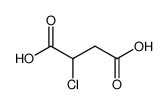
- 617-41-4
- C4H5ClO4
- 152.53300
- All (0)
- China (0)
- (0)
- 90698-81-0
- 0
- All (0)
- China (0)
- (0)
- 9015-54-7
- 0.00000
- All (0)
- China (0)
- (0)
- 222400-29-5
- 0
- All (1)
- China (1)
- (1)
Related Products More >

- 9010-10-2
- CNY Request For Quotation
- 9010-10-1
- CNY Request For Quotation
- 9010-10-0
- CNY Request For Quotation
- 66071-96-3
- USD 15.0000
- 25kg
- 96690-41-4
- Request For Quotation
- 25kg drum
- 93615-44-2
- Request For Quotation
- 25kg drum
- 92113-31-0
- Request For Quotation
- 25kg/Cardboard Drum
- 92113-31-0
- Request For Quotation
- 1g,50g,100g,1000g


One important mechanism is collagen's role in supporting the dermal layer of the scalp, where blood vessels deliver essential nutrients to hair follicles. When collagen levels decline, which naturally happens with age or due to environmental stressors, the scalp’s elasticity diminishes, potentially weakening the hair follicle environment and leading to hair thinning or slower growth. Supplementation with collagen peptides can supply the necessary amino acids to stimulate the body's collagen synthesis, which in turn can improve scalp health and foster stronger hair growth.
For example, studies on individuals taking collagen supplements show enhanced hair thickness and reduced shedding after several months, indicating that collagen contributes indirectly by improving the scalp’s extracellular matrix. In practical terms, collagen supports the skin and connective tissue health, creating an optimal environment for hair production and resilience. This explains why collagen has become a popular ingredient in hair care formulations and dietary supplements targeting hair vitality.
The amino acids in collagen, particularly glycine, proline, and cysteine (when combined with other nutrients), serve as building blocks for keratin. While keratin is distinct from collagen—keratin is a fibrous protein with high sulfur content, emphasizing rigidity—collagen-derived amino acids contribute to its synthesis, strengthening the hair shaft from root to tip. This differentiates collagen from biotin or zinc, which support enzyme activity in hair growth, rather than providing structural precursors.
Collagen also maintains scalp health by supporting the dermis layer, where follicles reside. A robust collagen network helps retain moisture in the scalp, preventing dryness that can weaken follicles and lead to breakage. Additionally, collagen’s role in reducing inflammation in connective tissues may mitigate scalp conditions that hinder hair growth, such as dandruff or folliculitis, by supporting the skin’s barrier function.
A common misconception is that collagen directly thickens hair strands; instead, its impact is indirect, supporting follicle health and nutrient delivery to enhance growth quality. Another misunderstanding is assuming topical collagen products benefit hair; since they cannot penetrate the scalp’s epidermis, their effect is limited to surface hydration, unlike dietary collagen peptides, which are absorbed and contribute amino acids systemically.
Understanding collagen’s role clarifies its importance: it acts as a foundational element for hair follicle stability, nutrient transport, and scalp health, making it a supporting factor in maintaining strong, resilient hair—complementary to other nutrients that target keratin synthesis and follicle activity.
Physiologically, collagen peptides—when ingested or applied topically—stimulate fibroblasts in the scalp to produce new collagen and elastin, reinforcing the follicular support structure. These peptides also supply glycine and proline, key amino acids for keratin synthesis, the protein that forms hair’s structural core. Chemically, hydrolyzed collagen’s low molecular weight (2–10 kDa) enhances its ability to penetrate the scalp’s stratum corneum, reaching the dermal papilla where hair growth is regulated. Its hydroxylated amino acids, like hydroxyproline, improve keratin’s stability and tensile strength, reducing breakage and split ends.
In daily life, collagen supplements are increasingly used to address hair thinning and promote thickness, often paired with biotin or vitamin C to optimize absorption and keratin production. Topical collagen-based serums or shampoos aim to strengthen the scalp’s barrier function, though their efficacy depends on formulation stability and penetration. Industrially, collagen’s biocompatibility has led to its use in hair repair masks and leave-in treatments, where it mimics the scalp’s natural matrix to protect against heat damage and chemical processing. Medically, collagen scaffolds are explored in tissue engineering to regenerate damaged follicles, offering potential solutions for alopecia or scarring-related hair loss. From a cross-disciplinary perspective, collagen’s dual role in structural support and biochemical signaling bridges dermatology, nutrition, and material science, highlighting its potential to redefine hair care as a holistic practice targeting both internal and external factors in hair health.