


 Home
Home
Many people wonder if taking collagen can actually make their nails stronger and less prone to breaking. With so many supplements on the market, it’s hard to know whether collagen really supports nail growth or if it’s just a marketing claim. Can collagen intake improve nail thickness, reduce splitting, or speed up growth, and how does it interact with the proteins that make up nails? Is there a real benefit to adding collagen to your diet for healthier nails?
Does Collagen Help Nails? Understanding Its Role in Nail Health
Related Encyclopedia
- 68238-35-7
- 0
- All (3)
- China (1)
- (3)
- 9007-34-5
- 0
- All (14)
- China (1)
- (14)
- 9064-67-9
- C4H6N2O3R2.(C7H9N2O2R)n
- 0
- All (14)
- China (1)
- (14)

- 69430-36-0
- C2H2BrClO2
- 173.39308
- All (0)
- China (0)
- (0)
- 92113-31-0
- CO(NH2)2,Fe+++
- 0
- All (3)
- China (0)
- (3)
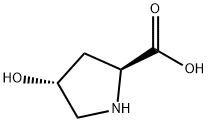
- 51-35-4
- C5H9NO3
- 131.13
- All (84)
- China (23)
- (84)
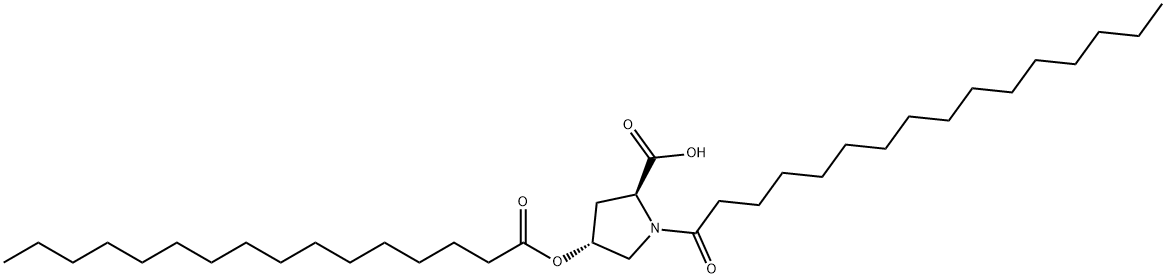
- 41672-81-5
- C37H69NO5
- 607.95
- All (1)
- China (0)
- (1)
- 147028-80-6
- C5H9NO3
- 131.13000
- All (84)
- China (23)
- (84)
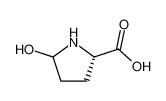
- 104111-00-4
- C5H9NO3
- 131.13000
- All (0)
- China (0)
- (0)
- 286375-02-8
- C53H78N12O16S4
- 1267.52000
- All (0)
- China (0)
- (0)
Related Products More >

- 92113-31-0
- Request For Quotation
- 25kg/Cardboard Drum
- 92113-31-0
- Request For Quotation
- 1g,50g,100g,1000g
- 92113-31-0
- Request For Quotation
- 92113-31-0
- Request For Quotation
- 25kg/drum
- 92113-31-0
- Request For Quotation
- 92113-31-0
- Request For Quotation
- 92113-31-0
- Request For Quotation
- 92113-31-0
- Request For Quotation
- 100g;1kg;25g


Nail growth and strength rely on a well - nourished nail matrix, the area beneath the cuticle where new nail cells are generated. Collagen contributes to the structural integrity of the nail bed and surrounding tissues, providing a stable foundation for nail growth. A deficiency in collagen or related nutrients can lead to brittle nails, slow growth, or ridges.
It's crucial to distinguish collagen from other nail - enhancing substances like biotin or keratin supplements. Biotin, a B - vitamin, aids in fatty acid synthesis and energy metabolism, which are essential for nail cell production. Keratin, on the other hand, is the primary protein that makes up nails. Collagen supports the underlying structures that facilitate keratin production and nail growth. A common misunderstanding is that collagen alone can transform weak nails into strong, healthy ones overnight. In reality, while collagen can contribute to nail health, a balanced diet rich in proteins, vitamins, and minerals, along with proper nail care, is necessary for optimal results.
From a biochemical perspective, collagen contributes to the extracellular matrix in connective tissues, which provides mechanical support and influences cell signaling in the nail matrix. For instance, higher availability of collagen-derived amino acids can promote keratinocyte proliferation and differentiation, leading to thicker, more resilient nails. In real-world application, patients or clients taking 2.5 to 5 grams of hydrolyzed collagen daily often report noticeable improvements in nail hardness and fewer incidences of splitting over several weeks.
It is important to distinguish between collagen’s direct structural contribution to nails versus its systemic role in supporting overall tissue health. Unlike topical nail treatments that primarily provide external reinforcement, collagen acts internally, influencing the biological synthesis of nail components. This internal mechanism explains why consistent nutritional supplementation, combined with general care such as moisturizing and avoiding excessive trauma, can meaningfully improve nail quality over time.
The relationship between collagen and nails also involves the health of the nail bed and surrounding skin, where collagen provides support. A strong collagen network in the dermis beneath the nail helps maintain blood flow to the matrix, ensuring efficient delivery of nutrients essential for nail growth. This contrasts with topical nail treatments, which often target the nail plate directly, while collagen acts systemically to nourish the cells responsible for nail production. For instance, individuals with collagen deficiencies—common in aging or due to poor nutrition—may notice nails that are thin, slow-growing, or prone to splitting, as the matrix lacks the necessary building blocks to produce robust keratin.
In practical use, collagen supplementation may yield noticeable benefits for nails, though outcomes vary. Those with diets low in protein or specific amino acids may experience improved nail strength and reduced breakage, as collagen fills nutritional gaps. However, for individuals with balanced diets, the effects may be subtler, as the body already has sufficient resources to support nail health. This aligns with observations in dermatology, where overall protein intake is linked to nail quality, with collagen serving as a convenient source of the amino acids most critical for keratin synthesis.
Beyond individual care, the connection between collagen and nails highlights the interplay of systemic health and external tissue quality. Nails, like hair and skin, act as indicators of internal nutritional status, and their condition reflects the body’s ability to produce structural proteins. Collagen’s role in this process underscores the value of holistic approaches to beauty and wellness, where supporting foundational biological processes—rather than focusing solely on surface treatments—leads to more sustainable improvements. Understanding this dynamic helps users appreciate that collagen’s benefits for nails are part of a broader contribution to connective tissue health, linking dietary choices to visible outcomes in nail strength and appearance.