


 Home
Home
Many people take collagen supplements hoping to improve their skin, nails, and even hair. But some wonder if collagen could actually have the opposite effect on hair health. Could certain types of collagen interfere with hair growth, or is it possible that too much collagen could cause hair loss instead of preventing it? How can someone tell if their hair shedding is linked to collagen intake, or if it’s just from other causes?
Can Collagen Cause Hair Loss?
Related Encyclopedia
- 68238-35-7
- 0
- All (3)
- China (1)
- (3)
- 9007-34-5
- 0
- All (14)
- China (1)
- (14)
- 9064-67-9
- C4H6N2O3R2.(C7H9N2O2R)n
- 0
- All (14)
- China (1)
- (14)

- 69430-36-0
- C2H2BrClO2
- 173.39308
- All (0)
- China (0)
- (0)
- 92113-31-0
- CO(NH2)2,Fe+++
- 0
- All (3)
- China (0)
- (3)

- 115044-69-4
- C103H185N31O24S
- 2273.83
- All (0)
- China (0)
- (0)
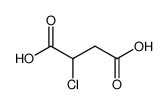
- 617-41-4
- C4H5ClO4
- 152.53300
- All (0)
- China (0)
- (0)
- 90698-81-0
- 0
- All (0)
- China (0)
- (0)
- 9015-54-7
- 0.00000
- All (0)
- China (0)
- (0)
- 222400-29-5
- 0
- All (1)
- China (1)
- (1)
Related Products More >
- 9010-10-2
- CNY Request For Quotation
- 9010-10-1
- CNY Request For Quotation
- 9010-10-0
- CNY Request For Quotation
- 66071-96-3
- USD 15.0000
- 25kg
- 72-18-4
- USD 45.0000
- 25kg
- 74-79-3
- USD 92.0000
- 25kg
- 98319-26-7
- Request For Quotation
- 96690-41-4
- Request For Quotation
- 25kg drum


If you’re seeing more hair on your pillow after starting collagen, it’s probably not the collagen itself pulling your hair out. Hair loss can come from many things—stress, changes in diet, hormones, or even seasonal shedding. Collagen isn’t known to directly cause hair loss in healthy people. Sometimes people might link the two just because the timing matches, but it’s often coincidence.
That said, if a supplement has extra ingredients or you’ve changed other parts of your diet, your body might react differently. And if you have allergies or sensitivities, certain collagen sources (like marine or bovine) could cause an immune reaction that indirectly affects hair health. If you’re worried, you can always pause the supplement for a few weeks and see if things change, or talk to a doctor to rule out other reasons.
From a physiological perspective, collagen does not directly trigger hair loss under normal conditions. However, hair growth is a cyclical process influenced by hormonal regulation, nutrient supply, and cellular signaling in the follicular environment. Excessive or imbalanced collagen deposition—such as in certain fibrotic conditions—could theoretically alter the surrounding tissue’s flexibility or compress microcapillaries, potentially impacting follicle health. Conversely, collagen depletion, often associated with aging or oxidative stress, can weaken scalp structure, making hair more susceptible to shedding or breakage. These opposing scenarios highlight the importance of balanced collagen metabolism in maintaining healthy hair growth.
In everyday contexts, collagen is supplemented through powders, capsules, or functional foods to support skin and joint health, with indirect benefits to hair quality. In the cosmetics industry, hydrolyzed collagen is used in shampoos and conditioners as a film-forming agent to coat hair strands, reducing friction and improving smoothness. In medical and tissue engineering applications, collagen scaffolds are utilized for wound healing and regenerative therapies, including research into scalp tissue repair. Such uses underscore collagen’s versatility across disciplines—biology, chemistry, dermatology, and materials science all intersect in its study and application.
From a broader perspective, collagen’s role in hair health is best understood as part of a complex network involving keratin synthesis, follicular cell turnover, and dermal-epidermal interactions. Environmental stressors, systemic diseases, and dietary patterns can shift this balance more than collagen supplementation alone. A nuanced understanding requires integrating biochemical mechanisms with clinical observations and practical applications, ensuring that any discussion of collagen and hair loss considers the protein not as an isolated factor, but as one piece in a multifaceted biological system.
The mechanism hinges on competitive absorption. When collagen peptides dominate the amino acid pool, they could divert resources from other protein syntheses. Imagine a scenario where someone consumes excessive collagen drinks while neglecting whole protein sources like eggs or lentils. Over time, the relative deficiency in sulfur-containing amino acids (e.g., cysteine) might weaken hair structure, as keratin requires these building blocks. However, this is context-dependent—individuals with already balanced diets are unlikely to experience such effects.
Real-world observations align with this nuance. Cases where collagen supplementation coincided with hair thinning often involve preexisting nutritional gaps or excessive dosing. A person overhauling their diet with collagen powders while cutting out varied protein sources might inadvertently trigger telogen effluvium, a temporary hair shedding phase. Conversely, those using collagen as part of a diverse diet typically report improved hair thickness, underscoring the importance of equilibrium. The takeaway isn’t that collagen causes hair loss but that isolated, disproportionate use might contribute to conditions that do.
The idea that collagen could cause hair loss contradicts its typical physiological role, but it is important to distinguish between collagen itself and potential confounding factors. For instance, some collagen supplements may contain additives or allergens that trigger inflammatory responses; inflammation around hair follicles can disrupt the growth cycle, leading to temporary shedding. Additionally, excessive intake of certain amino acids in unbalanced collagen formulations might interfere with the body's natural amino acid metabolism, which is essential for keratin production—the primary protein in hair. However, these effects are not direct consequences of collagen itself but rather associated with its formulation or overconsumption.
It is also critical to differentiate between collagen's role and that of other proteins involved in hair health, such as keratin and biotin-dependent enzymes. Keratin is synthesized in hair follicle cells and provides hair with its strength and structure, whereas collagen supports the follicle's microenvironment. A deficiency in collagen might weaken this environment, potentially contributing to hair thinning, but this is distinct from collagen actively causing hair loss. Misunderstandings often arise when isolated cases of hair loss coinciding with collagen supplementation are misattributed to collagen itself, rather than underlying factors like individual sensitivity, nutrient imbalances, or pre-existing scalp conditions.
When considering the relationship between collagen and hair loss, it is essential to frame it within the context of overall nutrient balance and physiological processes. Collagen, as part of a balanced diet or supplementation regimen, typically supports tissue health, including that of the hair follicle. Any observed negative effects are more likely due to external variables rather than the collagen molecule itself, making it important to evaluate individual circumstances and formulation details when assessing such claims.