


 Home
Home
Hello, please explain what specific reaction conditions are required for this conversion, why propylene oxide is a common starting material, what are the main industrial raw materials for producing propylene glycol besides propylene oxide, and what are the detailed biological synthesis pathways of propylene glycol and their advantages?
What Is Propylene Glycol Made From? Tracing Its Production Roots
Related Encyclopedia
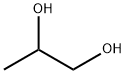
- 57-55-6
- C3H8O2
- 76.09
- All (326)
- China (55)
- (326)
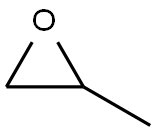
- 75-56-9
- C3H6O
- 58.08
- All (12)
- China (9)
- (12)
- 26402-31-3
- C21H40O4
- 356.54000
- All (0)
- China (0)
- (0)
- 118624-10-5
- C9H18O7
- 238.23500
- All (0)
- China (0)
- (0)

- 53824-77-4
- C23H44O4
- 384.59300
- All (0)
- China (0)
- (0)
- 112071-94-0
- C9H16O5
- 204.22000
- All (0)
- China (0)
- (0)
- 31565-12-5
- C11H22O3
- 202.29058
- All (0)
- China (0)
- (0)

- 41395-83-9
- C21H40O4
- 356.54000
- All (0)
- China (0)
- (0)
- 25791-96-2
- HO(C3H6O)nCH[CH2(OC3H6)nOH]2
- 0
- All (4)
- China (2)
- (4)
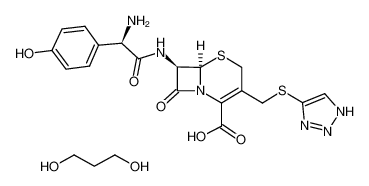
- 64217-62-5
- C21H26N6O7S2
- 538.60000
- All (1)
- China (1)
- (1)
Related Products More >

- CNY Request For Quotation
- CNY Request For Quotation
- CNY Request For Quotation
- 110-98-5
- CNY Request For Quotation
- 110-98-5
- CNY Request For Quotation
- 25322-69-4
- Request For Quotation
- 25322-69-4
- Request For Quotation
- 75-56-9
- Request For Quotation


Industrially, the main raw material is propylene oxide, derived from propylene (a hydrocarbon from petroleum or natural gas). Minor routes may use glycerol (a byproduct of biodiesel production) via hydrogenolysis, though this is less common due to higher costs.
Biosynthetically, propylene glycol can be produced by certain microorganisms. For example, bacteria like Lactobacillus or yeast can ferment sugars (e.g., glucose) to form lactic acid, which is then reduced to propylene glycol under anaerobic conditions. This bio-based method offers a renewable alternative to petrochemical routes.
Industrial Production: Petrochemical Route (90% of Global Supply)
Primary Feedstock:
Propylene oxide (PO): Derived from propylene (C₃H₆), a byproduct of oil refining/natural gas processing
Hydrolysis Reaction:
C
3
H
6
O+H
2
O
acid/base catalyst
C
3
H
8
O
2
(PG)
Conditions: 150-200°C, 10-20 bar pressure
Byproducts: Dipropylene glycol (DPG) and tripropylene glycol (TPG)
Purification:
Distillation separates PG (99.5% purity) from heavier glycols
Alternative Feedstocks:
Glycerin: Byproduct of biodiesel production (cheaper but lower yield)
Acetol: Intermediate from biomass pyrolysis
Bio-Based PG: Sustainable Production Pathways
1. Microbial Fermentation
Organisms: Genetically modified E. coli, Saccharomyces cerevisiae
Pathway:
Glucose→Dihydroxyacetone phosphate→Methylglyoxal→Acetol→PG
Yield: Up to 135 g/L in optimized bioreactors
2. Enzymatic Conversion
Substrate: Glycerin + glycerol dehydratase enzyme
Process:
C
3
H
8
O
3
→C
3
H
6
O
2
(PG)+H
2
O
Advantage: 85% energy savings vs. petrochemical route
Comparison of Production Methods
Parameter
Petrochemical PG
Bio-Based PG
Feedstock
Propylene (fossil fuel)
Glycerin/glucose (renewable)
CO₂ Footprint
2.5 kg CO₂/kg PG
0.8 kg CO₂/kg PG
Purity
99.9%
99.5% (requires extra filtration)
Cost
$1,200/ton
$1,800/ton (2024 prices)
The versatility of propylene glycol stems from its properties, including low toxicity, excellent solubility in water and many organic compounds, and its ability to retain moisture. These characteristics make it an essential ingredient in a variety of applications. For instance, in the food industry, PG serves as a solvent and preservative, often used in flavorings, colorings, and as a humectant to keep foods moist. It's also found in pharmaceuticals as a solvent for oral, topical, and injectable medications, ensuring their stability and effectiveness.
In cosmetics and personal care products, PG is used for its moisturizing and skin conditioning properties, making it a common component in lotions, creams, and deodorants. Additionally, its low toxicity and excellent performance in heat transfer applications make it a preferred choice over ethylene glycol in antifreeze formulations where there is a risk of accidental ingestion by pets or humans.
Safety considerations are paramount when using propylene glycol, given its widespread application across industries that directly impact human health, such as food and pharmaceuticals. Proper handling and adherence to regulatory guidelines ensure its safe use. By focusing on keywords like production, safety, and versatility, this overview emphasizes not only how propylene glycol is made but also its critical role in various everyday products and the importance of responsible usage.