


 Home
Home
Hello, please explain what specific structural differences cause this distinction, why these structural differences lead to different chemical properties between them, what are the key disparities in their chemical properties, and what factors determine whether propylene glycol can replace alcohol for disinfection?
Is Propylene Glycol an Alcohol? The Chemistry Behind This Versatile Compound
Related Encyclopedia
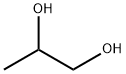
- 57-55-6
- C3H8O2
- 76.09
- All (326)
- China (55)
- (326)
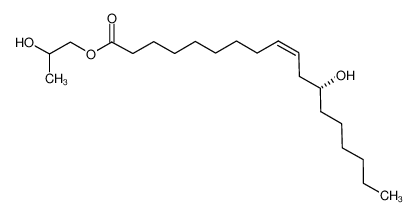
- 26402-31-3
- C21H40O4
- 356.54000
- All (0)
- China (0)
- (0)
- 118624-10-5
- C9H18O7
- 238.23500
- All (0)
- China (0)
- (0)

- 53824-77-4
- C23H44O4
- 384.59300
- All (0)
- China (0)
- (0)
- 112071-94-0
- C9H16O5
- 204.22000
- All (0)
- China (0)
- (0)
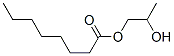
- 31565-12-5
- C11H22O3
- 202.29058
- All (0)
- China (0)
- (0)

- 41395-83-9
- C21H40O4
- 356.54000
- All (0)
- China (0)
- (0)
- 25791-96-2
- HO(C3H6O)nCH[CH2(OC3H6)nOH]2
- 0
- All (4)
- China (2)
- (4)
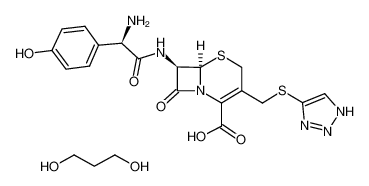
- 64217-62-5
- C21H26N6O7S2
- 538.60000
- All (1)
- China (1)
- (1)

- 105-62-4
- C39H72O4
- 604.99
- All (1)
- China (0)
- (1)
Related Products More >

- CNY Request For Quotation
- CNY Request For Quotation
- CNY Request For Quotation
- 110-98-5
- CNY Request For Quotation
- 110-98-5
- CNY Request For Quotation
- 68890-66-4
- CNY Request For Quotation
- 68890-66-4
- CNY Request For Quotation
- 25322-69-4
- Request For Quotation


Chemically, they differ significantly. Ethanol is volatile, flammable, and acts as a disinfectant by denaturing proteins. Propylene glycol is less volatile, has higher viscosity, and lacks strong disinfectant properties; it primarily functions as a solvent or humectant.
Propylene glycol cannot replace ethanol for disinfection. Ethanol’s ability to kill pathogens is tied to its volatility and protein-denaturing action, which propylene glycol does not replicate.
Propylene glycol's unique attributes make it useful across various applications. One key area is in the food industry, where it serves as a humectant, solvent, and preservative. Its safety profile allows it to be used in food products intended for human consumption, such as flavorings, colorings, and even in some beverages. Another significant application is in cosmetics and pharmaceuticals, where it acts as a moisturizer and carrier for active ingredients. Its ability to retain moisture and mix well with both water and oils makes it ideal for these uses.
In industrial applications, propylene glycol is often utilized in antifreeze and deicing solutions because of its lower toxicity compared to ethylene glycol. This makes it safer for use in areas where there might be potential contact with drinking water or where environmental contamination is a concern. Additionally, its use in HVAC systems and as a heat transfer fluid benefits from its low viscosity and high stability.
Highlighting keywords such as safety, versatility, and application highlights why understanding the nature of propylene glycol is important. Despite not being an alcohol in the conventional sense, its broad range of uses and favorable safety profile underscore its significance in multiple industries. Proper handling and awareness of its characteristics ensure its effective and safe use across these varied applications.
Why Isn’t Propylene Glycol Considered a True Alcohol?
PG (C₃H₈O₂) differs from ethanol (C₂H₅OH) in three key ways:
Molecular Structure:
Ethanol: Single -OH group (CH₃-CH₂-OH)
Propylene glycol: Two -OH groups (HO-CH₂-CH(OH)-CH₃)
Chemical Classification:
Ethanol: Simple alcohol (monol)
PG: Diol (a subclass of polyols)
Physical Properties:
PG: Higher boiling point (188°C vs. ethanol’s 78°C)
Ethanol: More volatile (evaporates faster)
Key Differences Between PG and Ethanol
Property
Propylene Glycol (PG)
Ethanol (Ethyl Alcohol)
Antimicrobial Power
Weak (requires high conc. + time)
Strong (70% kills most microbes)
Toxicity
Low (LD50: 20 g/kg in rats)
Moderate (LD50: 7 g/kg in rats)
Evaporation Rate
Slow (used as humectant)
Fast (used as drying agent)
Flammability
Higher flash point (99°C)
Lower flash point (13°C)
Metabolism
Converts to lactic acid
Metabolized to acetaldehyde
Can PG Replace Alcohol for Disinfection?
No, PG cannot effectively substitute ethanol/isopropanol as a disinfectant for three reasons:
Poor Germ-Killing Ability:
PG requires >90% concentration + 10+ minutes to inhibit bacteria (vs. 70% ethanol in 30 seconds)
Ineffective against non-enveloped viruses (e.g., norovirus)
Residue Issues:
Leaves a sticky film (unlike evaporating ethanol)
Attracts dust/microbes if not rinsed
Regulatory Status:
Not FDA-approved as a stand-alone disinfectant
Only permitted as a carrier in some antiseptic formulations
Exception: PG boosts efficacy in combination disinfectants (e.g., with benzalkonium chloride).