


 Home
Home
People often hear about boric acid being used in health or hygiene products, but some online claims suggest it might affect sexual desire. Can a chemical like boric acid really make someone feel hornier, or are these just myths? Are there any situations where it could influence libido, or is it mostly unrelated to sexual feelings? How does using boric acid in everyday ways, like in suppositories or topical treatments, play into this? Could it interact with the body in ways that might change arousal, or is that just misinformation?
Does Boric Acid Make You Hornier? Exploring the Truth
Related Encyclopedia
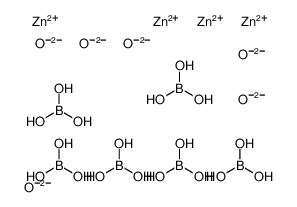
- 12008-25-2
- B6H18O24Zn4
- 728.51500
- All (0)
- China (0)
- (0)

- 7782-44-7
- O2
- 32
- All (1)
- China (1)
- (1)

- 80937-33-3
- O2
- 31.99880
- All (1)
- China (1)
- (1)

- 17410-58-1
- O2
- 33.99860
- All (1)
- China (1)
- (1)
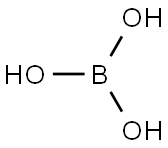
- 11113-50-1
- BH3O3
- 61.83
- All (30)
- China (20)
- (30)
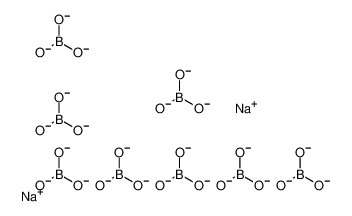
- 12008-41-2
- B8H8Na2O17
- 516.45300
- All (0)
- China (0)
- (0)
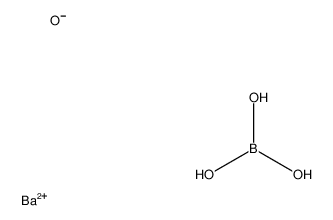
- 113920-63-1
- BBaH4O7P
- 295.13900
- All (0)
- China (0)
- (0)
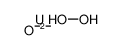
- 12026-26-5
- H2O3U
- 288.04300
- All (0)
- China (0)
- (0)
- 68585-51-3
- BCuH3Na3O12PSZn
- 466.76200
- All (0)
- China (0)
- (0)
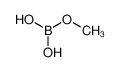
- 68498-84-0
- CH5BO3
- 75.85960
- All (0)
- China (0)
- (0)
Related Products More >

- 7757-93-11
- CNY Request For Quotation
- 7757-93-10
- CNY Request For Quotation
- 7757-93-9
- CNY Request For Quotation
- 92128-87-5
- CNY Request For Quotation
- 92128-87-5
- CNY Request For Quotation
- 1341-49-7
- Request For Quotation
- 13472-35-0
- USD 22.0000
- 25kg
- 13530-50-2
- USD 240.0000
- 300kg


If you ever read stuff online claiming it boosts libido, it’s mostly exaggerated or misleading. It’s safe to use as intended, but don’t expect it to work like a “horniness booster.”
The idea that boric acid could influence sexual desire likely stems from a misunderstanding of its effects, possibly conflating it with substances that do interact with the body’s regulatory systems. Unlike aphrodisiacs or certain medications that target specific receptors in the brain or reproductive organs, boric acid has no affinity for the receptors involved in sexual response. In fact, excessive exposure to boric acid can have adverse effects, such as irritation of mucous membranes or, in high doses, systemic toxicity, but these are unrelated to any supposed impact on libido. Its role in professional settings, such as in dermatology for treating fungal infections or in industrial processes as a flame retardant, is well-documented, and none of these applications involve or suggest any influence on sexual arousal.
When considering the physiological impact of any substance, it is crucial to distinguish between its established chemical interactions and anecdotal or unfounded claims. Boric acid’s lack of effect on the body’s sexual response systems is consistent with its known pharmacology and toxicology profiles. Professionals in fields like toxicology or pharmacology rely on these profiles to assess safety and efficacy, and there is no evidence within these frameworks to support a connection between boric acid and increased sexual arousal. This distinction is important for preventing misinformation and ensuring that the substance is used appropriately for its intended, evidence-based purposes.
In practice, boric acid is often utilized in vaginal suppositories to address bacterial vaginosis or recurrent yeast infections by restoring a healthy pH balance and reducing harmful microbes. Any perceived change in arousal among users likely stems from the relief of discomfort or irritation rather than a direct effect on libido. For instance, someone experiencing chronic intimate discomfort might feel more comfortable and thus more open to sexual activity after successful treatment, but this is an indirect outcome.
It is important to emphasize that boric acid should only be used under medical guidance, as improper application can lead to irritation or toxicity. The substance does not interact with endocrine or neurotransmitter systems in a way that could scientifically account for increased arousal. Relying on it for such purposes would be misguided and potentially unsafe.
When applied in medical or hygienic settings, boric acid can improve comfort by alleviating irritation, itching, or infections in sensitive areas. This relief may indirectly contribute to a greater sense of well-being and confidence, which could influence perceived sexual desire, but it is important to understand that this effect is secondary and psychological rather than a pharmacological increase in libido. There is no evidence of boric acid affecting testosterone, estrogen, dopamine, or other hormones that regulate sexual drive. Its chemical properties do not include endocrine modulation or stimulation of the central nervous system regions responsible for sexual arousal.
From an interdisciplinary perspective, boric acid's role in daily life extends far beyond personal health. In industrial contexts, it serves as a flame retardant, a component in glass and ceramics, and a pesticide. These applications demonstrate its chemical stability and effectiveness at low concentrations, but none of these uses intersect with human sexual physiology. Even in medical contexts, the focus is always on maintaining tissue health, managing microbial populations, or providing antiseptic benefits rather than influencing sexual behavior. Understanding these distinctions clarifies why any claims about boric acid making someone “hornier” are based on misconception rather than chemical or biological reality.