


 Home
Home
Hi, I'd like to ask—What are the fundamental differences between cholesterol and triglycerides? Do cholesterol and triglycerides belong to the same lipid family? Can cholesterol be converted into triglycerides in the body? Are their roles in the body similar since they’re both lipids? How are their chemical structures distinct? Thanks!
Is cholesterol categorized as a type of triglyceride in biological systems?
Related Encyclopedia
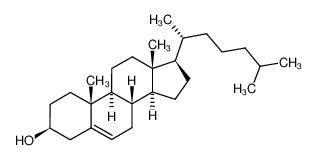
- 57-88-5
- C27H46O
- 386.65400
- All (44)
- China (23)
- (44)
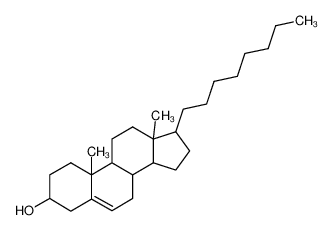
- 80356-14-5
- C27H46O
- 386.65400
- All (44)
- China (23)
- (44)

- 14546-23-7
- C29H51N
- 413.72200
- All (0)
- China (0)
- (0)

- 57700-98-8
- C31H48N2OS
- 496.79100
- All (0)
- China (0)
- (0)
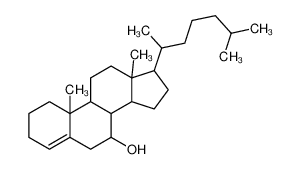
- 475-32-1
- C27H46O
- 386.66000
- All (0)
- China (0)
- (0)
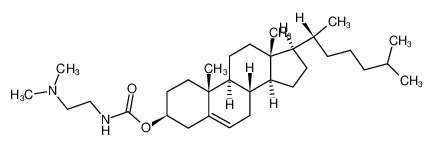
- 137056-72-5
- C32H56N2O2
- 500.79900
- All (0)
- China (0)
- (0)
- 58507-61-2
- C27H44O
- 384.63800
- All (0)
- China (0)
- (0)
- 465-54-3
- C27H46O
- 386.65400
- All (0)
- China (0)
- (0)
- 51646-04-9
- C34H56O2
- 496.80700
- All (0)
- China (0)
- (0)

- 33998-26-4
- C35H52O2
- 504.79
- All (0)
- China (0)
- (0)
Related Products More >
- 98319-26-7
- Request For Quotation
- 979-32-8
- Request For Quotation
- 96829-58-2
- Request For Quotation
- 91078-92-1
- Request For Quotation
- 91078-92-1
- Request For Quotation
- 9028-76-6
- Request For Quotation
- 9028-76-6
- Request For Quotation
- 9028-76-6
- Request For Quotation


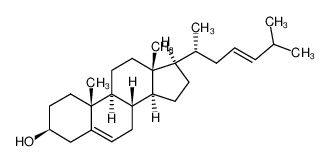
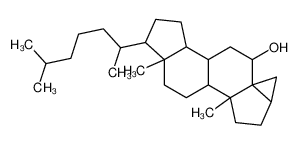
Chemically, cholesterol has a unique structure with a steroid nucleus formed by four interconnected rings. It also has a hydroxyl group and a hydrocarbon tail, which makes it amphipathic—able to interact with both water and fats. Triglycerides, on the other hand, have a simpler makeup: three fatty acid chains attached to a single glycerol molecule. This structure makes them entirely hydrophobic, meaning they do not mix with water.
Their roles in the body are distinct. Cholesterol is vital for building and maintaining cell membranes, as it helps keep them stable. It is also a precursor for hormones like estrogen, testosterone, and cortisol, and is used to make bile acids that aid in the digestion and absorption of fats. Triglycerides, by contrast, serve mainly as an energy reserve. They are stored in adipose tissue and released when the body needs energy, such as during periods of fasting or physical activity.
The body cannot convert cholesterol into triglycerides due to their different chemical structures. Their metabolic pathways remain separate, ensuring each lipid carries out its specific functions without overlap.
Cholesterol has a distinct structure, with a four-ring steroid core and no fatty acid chains. It doesn’t provide energy. Instead, it’s used to build cell membranes, make hormones like estrogen and testosterone, and produce bile acids that help digest fats.
Their roles in the body aren’t similar. Triglycerides focus on energy storage and transport, while cholesterol supports structural and chemical processes. The body can’t convert cholesterol into triglycerides because their chemical structures are too different. Triglycerides are built from glycerol and fatty acids, while cholesterol’s structure is based on a steroid framework, making such conversion impossible.
Cholesterol belongs to a class of lipids called sterols, characterized by its four-ring molecular structure. This rigid framework makes cholesterol an essential component of cell membranes, where it helps maintain membrane fluidity and integrity. The body synthesizes cholesterol primarily in the liver, using acetyl-CoA as a building block. Additionally, cholesterol serves as a precursor for vital substances like steroid hormones (including cortisol, estrogen, and testosterone), vitamin D, and bile acids necessary for fat digestion.
In contrast, triglycerides consist of a glycerol molecule bonded to three fatty acid chains. This structure makes them the body's primary form of stored energy. When the body needs energy, enzymes break down triglycerides into glycerol and free fatty acids, which cells can then use for fuel. Triglycerides are obtained through dietary fats and are also synthesized in the liver and fat tissues when calorie intake exceeds immediate energy needs.
The body cannot directly convert cholesterol into triglycerides due to their fundamentally different chemical structures. Cholesterol synthesis follows a specific pathway involving multiple enzymatic steps to create its characteristic steroid ring system. Meanwhile, triglyceride formation involves esterification reactions between glycerol and fatty acids. While both lipids are transported in the blood by lipoproteins, they are packaged differently - cholesterol primarily in LDL and HDL particles, and triglycerides mainly in chylomicrons and VLDL.
Functionally, cholesterol's role in cell membrane structure and hormone production contrasts sharply with triglycerides' energy storage function. However, both are essential - cholesterol for maintaining cellular functions and producing vital biochemicals, and triglycerides for providing concentrated energy reserves.
Clinically, abnormal levels of each lipid have different implications. High cholesterol, particularly elevated LDL, is strongly associated with atherosclerosis and cardiovascular disease. Very low triglyceride levels may indicate malnutrition or metabolic disorders, while high triglycerides contribute to pancreatitis risk and are often seen in metabolic syndrome.
The distinct chemical structures of these lipids explain their specialized functions. Cholesterol's rigid ring system enables it to integrate into cell membranes and serve as a precursor for steroid hormones, while triglycerides' flexible fatty acid chains allow efficient energy storage and release. Both are vital for health, but their imbalances lead to different pathological conditions requiring specific management strategies. Maintaining appropriate levels of both lipids through diet, exercise, and when necessary, medication, is essential for optimal health.
Cholesterol features a rigid steroid nucleus consisting of four fused hydrocarbon rings with a hydroxyl group at one end and a flexible hydrocarbon tail. This unique structure allows cholesterol to integrate into cell membranes, modulating their fluidity while serving as a precursor for steroid hormones and bile acids. The molecule's planar ring system creates specific binding sites for enzymes like HMG-CoA reductase, which regulates its biosynthesis.
In contrast, triglycerides adopt a completely different architecture built around a glycerol backbone esterified with three fatty acid chains. This flexible structure enables efficient energy storage, with the ester bonds serving as high-energy linkages that can be hydrolyzed during metabolism. The variability in fatty acid chain length and saturation creates triglycerides with different melting points, explaining why some fats remain solid at room temperature while others are liquid.
From a biochemical perspective, the two compounds follow separate metabolic pathways. Cholesterol synthesis occurs primarily in the liver through the mevalonate pathway, while triglyceride formation involves esterification reactions between glycerol-3-phosphate and fatty acyl-CoA molecules. Importantly, cholesterol cannot be converted into triglycerides due to these fundamentally different biosynthetic routes.
The structural differences also explain their distinct roles in health and disease. Cholesterol's role in membrane integrity and hormone production contrasts sharply with triglycerides' function as an energy reservoir. Elevated cholesterol levels are associated with atherosclerosis due to plaque formation in arterial walls, while high triglyceride levels contribute to pancreatitis and metabolic syndrome. This distinction becomes particularly relevant in international trade, where pharmaceutical companies develop targeted therapies for cholesterol management (statins) versus triglyceride-lowering agents (fibrates), reflecting their different metabolic pathways and clinical implications. The global market for lipid-lowering drugs demonstrates how understanding these differences drives innovation in drug development and healthcare economics.