


 Home
Home
Hi, I'd like to ask—what specific foods are high in triglycerides? Do these foods contain other components that work with triglycerides to affect the body? How does the amount of these foods consumed relate to changes in blood triglyceride levels? Are there differences in the impact of triglycerides from plant and animal sources in these foods? Thanks!
What foods are high in triglycerides that affect blood lipid levels?
Related Encyclopedia
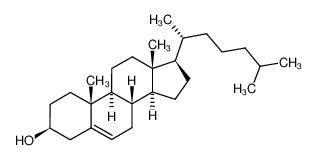
- 57-88-5
- C27H46O
- 386.65400
- All (44)
- China (23)
- (44)
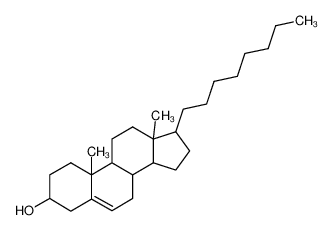
- 80356-14-5
- C27H46O
- 386.65400
- All (44)
- China (23)
- (44)

- 14546-23-7
- C29H51N
- 413.72200
- All (0)
- China (0)
- (0)

- 57700-98-8
- C31H48N2OS
- 496.79100
- All (0)
- China (0)
- (0)
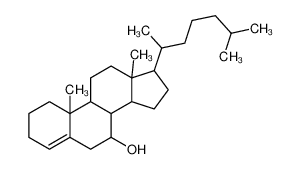
- 475-32-1
- C27H46O
- 386.66000
- All (0)
- China (0)
- (0)
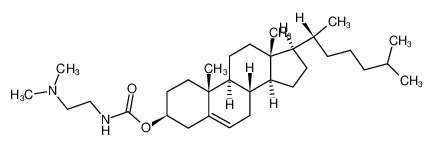
- 137056-72-5
- C32H56N2O2
- 500.79900
- All (0)
- China (0)
- (0)
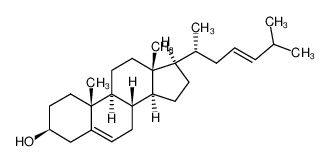
- 58507-61-2
- C27H44O
- 384.63800
- All (0)
- China (0)
- (0)
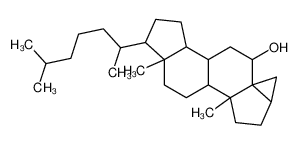
- 465-54-3
- C27H46O
- 386.65400
- All (0)
- China (0)
- (0)
- 51646-04-9
- C34H56O2
- 496.80700
- All (0)
- China (0)
- (0)

- 33998-26-4
- C35H52O2
- 504.79
- All (0)
- China (0)
- (0)
Related Products More >

- 105-55-5
- CNY Request For Quotation
- 41365-24-6
- CNY Request For Quotation
- 20941-65-5 Tetrakis(diethyldithiocarbamato)-teIlurium(IV)
- CNY Request For Quotation
- CNY Request For Quotation
- CNY Request For Quotation
- 624-17-9
- Request For Quotation
- 2050-23-9
- Request For Quotation
- 2050-20-6
- Request For Quotation


These foods often contain other components that interact with triglycerides. Many are rich in saturated fats and trans fats, which can work with triglycerides to raise LDL cholesterol levels, increasing the risk of artery blockages. Added sugars in processed snacks and pastries can also pair with triglycerides, as excess sugar is converted into triglycerides in the liver, worsening blood lipid imbalances.
The amount of these foods consumed directly affects blood triglyceride levels. Eating them in large quantities, especially regularly, tends to raise blood triglycerides. When the body takes in more calories than it burns, excess energy is stored as triglycerides in fat cells, leading to higher circulating levels. Moderate intake may have a smaller impact, especially when balanced with other nutrient-dense foods.
Triglycerides from plant and animal sources differ in their effects. Animal sources, like fatty meats and dairy, often come with cholesterol and higher saturated fats, which can amplify negative impacts on heart health. Plant sources, such as nuts and seeds, are typically paired with unsaturated fats, fiber, and antioxidants. These components can mitigate triglyceride-related risks, making their overall effect on blood lipids less harmful, and in some cases, beneficial when consumed in moderation.
Many of these foods have other parts that team up with triglycerides. Sugary things often have lots of fructose, which makes the liver make more triglycerides. Fried foods have trans fats, which raise triglycerides and lower good cholesterol, making heart issues worse. Processed meats might have sodium, adding blood pressure problems to the mix.
Eating more of these foods, especially every day, leads to higher blood triglycerides. A big sugary dessert once might cause a short spike, but daily overeating can keep levels high long-term. Eating less, even occasionally, helps keep levels steady.
Triglycerides from animal sources, like fatty beef or butter, often come with saturated fats, upping heart risks. Plant sources vary. Coconut oil has saturated fats, but nuts, with unsaturated fats and fiber, might not raise triglycerides as much and could even help keep lipid levels healthier.
The biochemical interaction between triglycerides and other dietary components reveals complex metabolic consequences. Refined carbohydrates, particularly high-fructose corn syrup found in processed foods, trigger de novo lipogenesis in the liver—a process converting excess glucose into fatty acids for triglyceride synthesis. This mechanism explains why populations with high refined sugar intake often show elevated plasma triglyceride levels. From a trade perspective, the global availability of cheap processed foods has correlated with rising metabolic syndrome rates in developing nations, creating a public health challenge that intersects with agricultural economics.
Portion size directly affects triglyceride homeostasis. Clinical data indicates that consuming more than 50 grams of added sugars daily can increase triglyceride levels by 20-30% within weeks. This dose-response relationship underscores the importance of portion control, particularly with energy-dense foods like nuts and seeds, which—despite their healthy fat content—can contribute to hypertriglyceridemia when consumed excessively.
The distinction between plant and animal triglycerides extends beyond fatty acid profiles. While both sources provide similar caloric density, their accompanying micronutrients differ significantly. Animal fats often contain cholesterol and arachidonic acid, which may promote inflammation, whereas plant triglycerides typically coexist with fiber, phytosterols, and antioxidants that mitigate some adverse effects. This chemical disparity influences global dietary guidelines and trade policies, as countries balance nutritional recommendations with agricultural production capabilities. The varying metabolic impacts of these triglyceride sources highlight the need for context-specific dietary interventions in international health initiatives.
Plant-derived foods can also raise triglyceride levels when consumed excessively. Coconut oil, palm oil, and cocoa butter contain high percentages of saturated fats despite their plant origins. Refined carbohydrates like white bread, white rice, and sugary cereals lack fiber and cause rapid blood sugar spikes, while added sugars in sodas, candies, and sweetened yogurts provide empty calories that the body quickly converts into triglycerides. Alcohol represents a particularly potent triglyceride-raising substance, as it directly stimulates the liver's triglyceride synthesis regardless of the amount consumed.
The interaction between these foods and other dietary components exacerbates their effects. Trans fats from partially hydrogenated oils not only increase triglycerides but also lower protective HDL cholesterol levels. High sodium content in processed foods contributes to hypertension, creating a compounding effect on cardiovascular risk. Refined grains lack the fiber found in whole grains, leading to faster blood sugar increases and greater triglyceride production. Added sugars in sweetened products provide rapid energy that the body stores as fat when consumed beyond immediate energy needs.
The relationship between consumption quantity and blood triglyceride levels follows a clear dose-response pattern. Moderate intake of saturated fats from lean meats or low-fat dairy may have minimal impact, but regular consumption of multiple high-fat meals or sugary drinks causes significant increases. Research demonstrates that replacing saturated fats with unsaturated alternatives like olive oil or nuts can reduce triglycerides by 20-30%. Alcohol shows a particularly sensitive response - even one daily drink may elevate triglycerides in susceptible individuals, with progressively greater effects at higher consumption levels.
Differences exist between plant and animal sources of triglycerides. Animal-derived fats tend to contain more saturated fatty acids that directly stimulate liver triglyceride production. While plant-based sources like coconut oil contain medium-chain fatty acids that may metabolize differently, excessive consumption still contributes to elevated blood triglycerides. The body's metabolic capacity for processing dietary fats means that overconsumption of any triglyceride-rich food source, regardless of origin, eventually overwhelms lipid regulation mechanisms and raises blood levels.