


 Home
Home
Hi, I'd like to ask—why do I have high LDL and low triglycerides? Do lifestyle habits like lack of exercise contribute to this? Can certain medications cause such changes in lipid levels? How does the body's lipid regulation mechanism lead to this imbalance? Is there a need for targeted intervention for this situation? Thanks!
Why do some individuals have high LDL and low triglycerides in lipid tests?
Related Encyclopedia
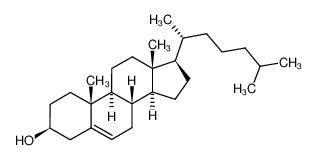
- 57-88-5
- C27H46O
- 386.65400
- All (44)
- China (23)
- (44)
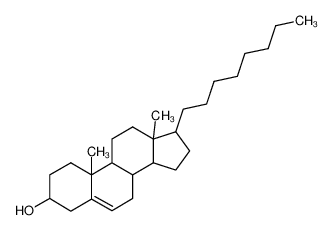
- 80356-14-5
- C27H46O
- 386.65400
- All (44)
- China (23)
- (44)

- 14546-23-7
- C29H51N
- 413.72200
- All (0)
- China (0)
- (0)

- 57700-98-8
- C31H48N2OS
- 496.79100
- All (0)
- China (0)
- (0)
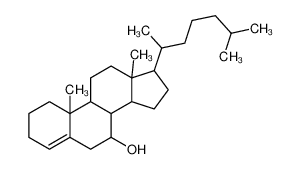
- 475-32-1
- C27H46O
- 386.66000
- All (0)
- China (0)
- (0)
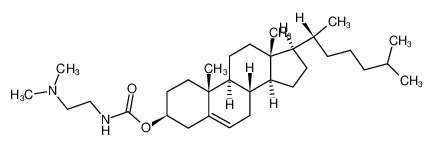
- 137056-72-5
- C32H56N2O2
- 500.79900
- All (0)
- China (0)
- (0)
- 58507-61-2
- C27H44O
- 384.63800
- All (0)
- China (0)
- (0)
- 465-54-3
- C27H46O
- 386.65400
- All (0)
- China (0)
- (0)
- 51646-04-9
- C34H56O2
- 496.80700
- All (0)
- China (0)
- (0)

- 33998-26-4
- C35H52O2
- 504.79
- All (0)
- China (0)
- (0)
Related Products More >

- 9028-76-6
- Request For Quotation
- 9028-76-6
- Request For Quotation
- 9028-76-6
- Request For Quotation
- 9028-76-6
- Request For Quotation
- 9026-00-0
- Request For Quotation
- 9026-00-0
- Request For Quotation
- 9026-00-0
- Request For Quotation
- 83-46-5
- Request For Quotation


Lifestyle habits such as lack of exercise can contribute. While exercise mainly boosts HDL and may lower triglycerides slightly, inactivity can reduce the body’s ability to process lipids, possibly making it harder to clear LDL over time. Diets high in saturated or trans fats can raise LDL even if total fat intake is low enough to keep triglycerides down.
Certain medications can change lipid levels. Some diuretics or beta-blockers for blood pressure may increase LDL. On the other hand, fibrates or omega-3 supplements, which lower triglycerides, might leave LDL unchanged or slightly higher, creating this imbalance.
The body regulates lipids through coordinated processes: LDL is cleared by liver receptors, while triglycerides are made from dietary fats or sugars and carried by VLDL. This imbalance happens when LDL clearance is poor, such as from receptor issues, while triglyceride production or release is low, like when the body uses more fatty acids for energy.
Targeted action is usually needed because high LDL promotes artery plaque, even with low triglycerides. This may involve a diet low in saturated fats, more physical activity, or statins to lower LDL, cutting cardiovascular risk.
From a physiological perspective, this dissociation between LDL and triglyceride levels suggests particular metabolic imbalances. Regular physical activity enhances LDL receptor expression in hepatic cells, facilitating more efficient cholesterol clearance from circulation. Conversely, sedentary behavior leads to downregulation of these receptors, resulting in LDL accumulation. Dietary factors further modify this relationship - while high saturated fat intake typically raises both LDL and triglycerides, patterns of consumption that emphasize saturated fats without excessive carbohydrate intake may preferentially elevate LDL levels while maintaining low triglyceride concentrations.
Medications represent another important variable influencing this lipid profile. Clinical pharmacology demonstrates that beta-blockers and thiazide diuretics significantly reduce LDL receptor expression in hepatocytes. Anabolic steroids, commonly used in performance enhancement, stimulate hepatic LDL production through hormonal signaling pathways. In infectious disease management, protease inhibitors for HIV treatment frequently disrupt normal lipid metabolism enzymes, leading to pronounced LDL elevation. Interestingly, antidiabetic medications like metformin often produce the opposite effect, reducing triglyceride levels while potentially allowing LDL levels to remain elevated.
The body's regulatory mechanisms involve intricate feedback systems. Genetic variations affecting LDL receptor function can substantially impair cholesterol clearance efficiency. Intestinal cholesterol absorption, mediated by the NPC1L1 transporter, when upregulated, contributes significantly to elevated LDL levels. Simultaneously, reduced VLDL production due to limited triglyceride precursors from carbohydrate metabolism helps maintain low triglyceride concentrations. This complex interplay of factors necessitates comprehensive evaluation to determine the underlying causes and appropriate interventions for this specific lipid profile pattern.
Genetic factors play a particularly significant role in creating this specific lipid profile. Familial hypercholesterolemia (FH), an inherited condition affecting approximately 1 in 250 people worldwide, directly impairs the liver's ability to clear LDL cholesterol from circulation. This genetic defect in the LDL receptor pathway leads to persistently elevated LDL levels while leaving triglyceride metabolism relatively undisturbed. Other less common genetic variations may affect cholesterol absorption in the intestine or modify hepatic cholesterol synthesis pathways independently of triglyceride production.
Lifestyle factors contribute to this lipid pattern through complex interactions. Physical inactivity reduces the activity of lipoprotein lipase (LPL), the enzyme responsible for breaking down triglyceride-rich lipoproteins. However, this typically results in higher triglyceride levels rather than lower ones. The relationship becomes more nuanced when considering dietary influences - low carbohydrate intake decreases production of very-low-density lipoprotein (VLDL), the primary carrier of triglycerides, while simultaneously high intake of saturated fats directly stimulates the liver to produce more LDL cholesterol. This dietary dichotomy helps explain how LDL can rise while triglycerides fall.
Medications represent another important consideration in this context. Statin therapy, while highly effective at lowering LDL cholesterol through inhibition of HMG-CoA reductase, has minimal direct impact on triglyceride metabolism. Certain antihypertensive medications, particularly beta-blockers and thiazide diuretics, may raise LDL levels while leaving triglycerides relatively unchanged. Hormonal therapies, including some forms of birth control pills and hormone replacement therapy, can produce similar effects through complex interactions with lipid metabolism pathways.
The body's regulatory mechanisms maintain this imbalance by controlling cholesterol and triglyceride metabolism through separate but interconnected pathways. Hepatic LDL production depends primarily on cholesterol synthesis regulation via HMG-CoA reductase, while triglyceride metabolism involves insulin signaling, LPL activity, and VLDL assembly. This separation allows for divergent changes in LDL and triglyceride levels even when metabolic health is compromised.
This specific lipid profile carries important clinical implications. Elevated LDL cholesterol remains a major risk factor for atherosclerotic cardiovascular disease, regardless of triglyceride levels. The low triglyceride levels may provide some protective benefit against pancreatitis and other triglyceride-related complications, but the primary concern remains the increased cardiovascular risk from high LDL cholesterol. Management typically focuses on LDL reduction through lifestyle modifications - including dietary changes to reduce saturated fat intake and increase soluble fiber consumption - and pharmacological interventions when necessary. Regular monitoring of lipid levels and cardiovascular risk factors becomes essential in these cases to prevent long-term complications.
Some medications could also cause this. I’ve read that certain diuretics or beta-blockers can raise LDL a bit without changing triglycerides much. The body’s way of regulating lipids matters too. If the liver’s LDL receptors aren’t working as well, LDL sticks around in the blood. But if the processes handling triglycerides, like lipoprotein lipase, are still efficient, they stay low. Whether you need to do something about it? High LDL is tied to heart issues, so talking to a doctor about adjusting habits or meds might be a good idea. It’s curious how different parts of lipid processing can get out of balance like that.