


 Home
Home
Hi, I'd like to ask—what is a healthy triglyceride level for adults? Does this range change for teenagers or the elderly over 60? How is this healthy standard formulated based on clinical data? What symptoms might occur if the level is too high or too low for a long time? Thanks!
What is a healthy triglyceride level for different age groups?
Related Encyclopedia
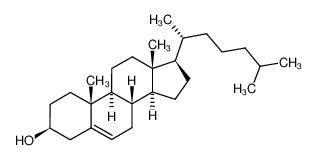
- 57-88-5
- C27H46O
- 386.65400
- All (44)
- China (23)
- (44)
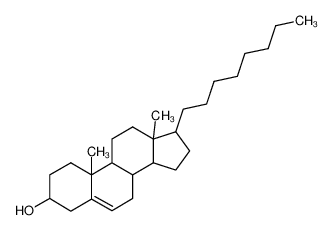
- 80356-14-5
- C27H46O
- 386.65400
- All (44)
- China (23)
- (44)

- 14546-23-7
- C29H51N
- 413.72200
- All (0)
- China (0)
- (0)

- 57700-98-8
- C31H48N2OS
- 496.79100
- All (0)
- China (0)
- (0)
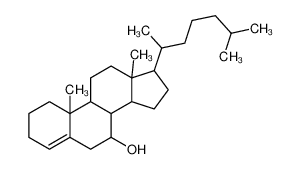
- 475-32-1
- C27H46O
- 386.66000
- All (0)
- China (0)
- (0)
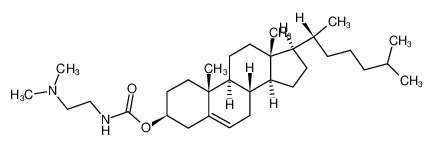
- 137056-72-5
- C32H56N2O2
- 500.79900
- All (0)
- China (0)
- (0)
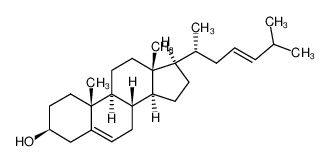
- 58507-61-2
- C27H44O
- 384.63800
- All (0)
- China (0)
- (0)
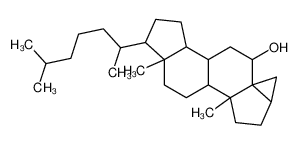
- 465-54-3
- C27H46O
- 386.65400
- All (0)
- China (0)
- (0)
- 51646-04-9
- C34H56O2
- 496.80700
- All (0)
- China (0)
- (0)

- 33998-26-4
- C35H52O2
- 504.79
- All (0)
- China (0)
- (0)
Related Products More >

- 979-32-8
- Request For Quotation
- 96829-58-2
- Request For Quotation
- 9057-02-7
- Request For Quotation
- 9028-76-6
- Request For Quotation
- 9028-76-6
- Request For Quotation
- 9028-76-6
- Request For Quotation
- 9028-76-6
- Request For Quotation
- 9026-00-0
- Request For Quotation


For teenagers, the healthy range is similar, generally below 150 mg/dL, though some guidelines suggest slightly lower levels due to differences in metabolism and lifestyle. For adults over 60, the standard stays much the same. Even with age, elevated triglycerides still raise cardiovascular risks, though other health issues common in older adults can affect overall risk evaluation.
These standards come from extensive clinical research linking triglyceride levels to health outcomes. Large population studies track how different levels connect to risks like heart disease, stroke, and pancreatitis. Data from these studies identify thresholds where the risk of harmful events rises significantly, shaping the definition of "healthy" ranges.
Long-term high triglycerides often have no immediate symptoms but increase pancreatitis risk, causing severe abdominal pain, nausea, and vomiting. They also damage arteries, boosting heart disease and stroke chances. Rarely, very high levels lead to skin deposits called eruptive xanthomas. Extremely low triglycerides, though rare, may result from genetics or malnutrition, possibly causing fatigue, weakened immunity, or nutrient absorption problems, with less clear symptoms than high levels.
Teenagers often have slightly lower typical levels because their metabolisms are more active, but the general ranges stay close to adults. For those over 60, the same numbers apply, though aging can make it harder to keep levels in check, even with the targets unchanged.
These standards come from large clinical studies. Researchers tracked how different levels relate to heart disease, strokes, and pancreatitis. They found that levels over 150 mg/dL often link to higher risks, especially when combined with other issues like high LDL cholesterol.
Long-term high levels might not show symptoms right away but can harm arteries or cause pancreatitis with severe belly pain. Very low levels, which are rare, could weaken the immune system or mess with nutrient absorption, leading to tiredness or more infections.
For teenagers aged 13-19, the reference ranges are generally similar to adults, though some variation exists due to developmental factors. Most clinical guidelines consider triglyceride levels below 150 mg/dL as normal for adolescents, with the same borderline high (150-199 mg/dL) and high (200+ mg/dL) classifications applying. However, some pediatric endocrinologists note that slightly higher levels might be observed during puberty due to hormonal changes, and interpretation often considers growth patterns and family history. The American Academy of Pediatrics recommends screening lipid levels in teenagers, particularly those with obesity, family history of early heart disease, or other risk factors.
In adults over 60 years old, the same numerical reference ranges apply as for younger adults. However, clinical interpretation may differ because older individuals often have multiple comorbidities that affect cardiovascular risk assessment. Some studies suggest that very low triglyceride levels (below 70 mg/dL) in the elderly might be associated with increased mortality risk, possibly due to frailty or malnutrition, though this remains an area of ongoing research. The standard thresholds still serve as useful guidelines, but healthcare providers typically consider triglyceride levels within the context of overall health status, cognitive function, and other biomarkers when making treatment decisions.
Chronically elevated triglyceride levels can lead to several physical manifestations. The most serious acute complication is pancreatitis, which typically presents with severe abdominal pain radiating to the back, nausea, vomiting, and fever. Chronic high triglycerides may cause visible fatty deposits called xanthomas, particularly around the eyes (xanthelasma) or on tendons. In some cases, patients develop lipemia retinalis, where retinal blood vessels appear milky white during an eye examination. On the other end of the spectrum, extremely low triglyceride levels are rare but might indicate malabsorption disorders, hyperthyroidism, or malnutrition. Symptoms in these cases could include fatigue, weight loss, muscle wasting, and neurological symptoms due to inadequate fat-soluble vitamin absorption. Regular monitoring through blood tests remains the most reliable way to detect abnormal triglyceride levels before symptoms develop.
For adolescents, triglyceride reference ranges generally align with adult standards, though some physiological variations exist. Puberty-induced hormonal fluctuations, particularly increased insulin resistance during Tanner stages III-V, can transiently elevate triglyceride levels. However, persistent values above 150 mg/dL still warrant further evaluation, particularly when accompanied by other metabolic syndrome components. In the elderly population (over 60 years), age-related metabolic changes such as decreased lipoprotein lipase activity and altered hepatic lipid processing necessitate careful interpretation. While the standard thresholds technically apply, some geriatric guidelines acknowledge that slightly higher levels (up to 200 mg/dL) may be physiologically normal due to reduced metabolic rate and altered fat distribution patterns.
The clinical manifestations of triglyceride dysregulation provide valuable diagnostic insights. Chronically elevated levels can lead to the formation of eruptive xanthomas, which appear as yellowish papules on extensor surfaces like elbows and knees, resulting from macrophage accumulation in the skin. Severe hypertriglyceridemia (typically >1000 mg/dL) significantly increases the risk of acute pancreatitis, characterized by intense epigastric pain radiating to the back, nausea, and vomiting. This occurs because excessive triglycerides overwhelm pancreatic lipase capacity, leading to autodigestion of pancreatic tissue. Conversely, abnormally low triglyceride levels are rare but may indicate malabsorption disorders such as celiac disease or genetic conditions affecting lipid synthesis. The biochemical mechanisms underlying these symptoms involve complex interactions between lipoprotein metabolism, endothelial dysfunction, and inflammatory pathways, all of which are critical considerations in both clinical diagnostics and biochemical education.