


 Home
Home
I often see debates online about whether seed oils, such as canola, sunflower, or soybean oil, are harmful or actually beneficial for our health. Some people call them “toxic” and blame them for heart disease, diabetes, or even cancer, while others argue they are essential sources of healthy fats. I’m curious: does the high omega-6 content in these oils really cause inflammation, or can it actually support heart health and lower cholesterol? Should we be worried about the balance between omega-3 and omega-6, or is it more important to simply improve our overall diet? And when it comes to cooking, are cold-pressed oils truly safer and healthier than refined ones?
Are Seed Oils the Real Enemy in Our Kitchen, or a Healthy Choice?
Related Encyclopedia
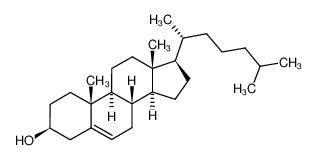
- 57-88-5
- C27H46O
- 386.65400
- All (44)
- China (23)
- (44)
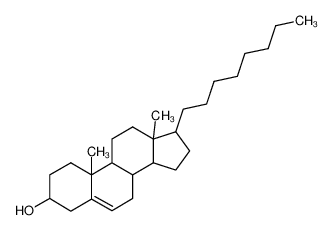
- 80356-14-5
- C27H46O
- 386.65400
- All (44)
- China (23)
- (44)
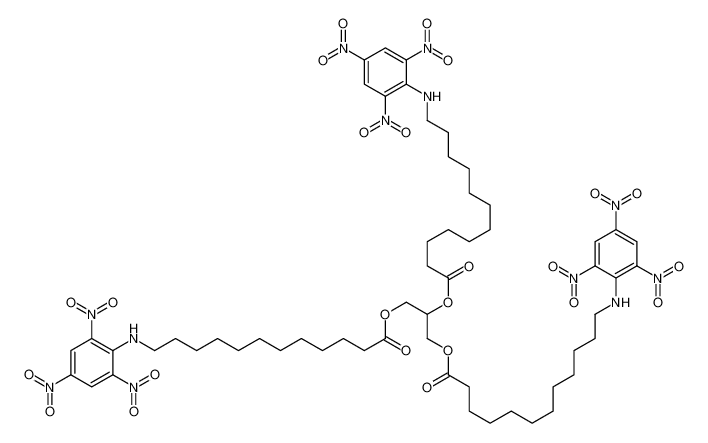
- 96337-55-2
- C57H80N12O24
- 1317.31000
- All (0)
- China (0)
- (0)
- 8030-76-0
- 0
- All (14)
- China (10)
- (14)
- 8001-22-7
- 0
- All (31)
- China (4)
- (31)
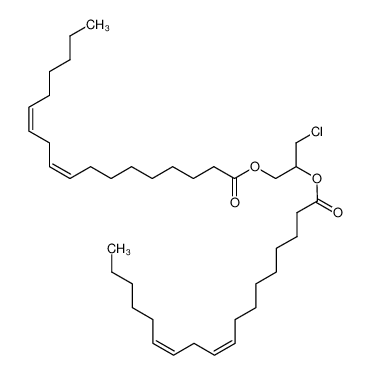
- 74875-96-0
- C39H67ClO4
- 635.40000
- All (0)
- China (0)
- (0)
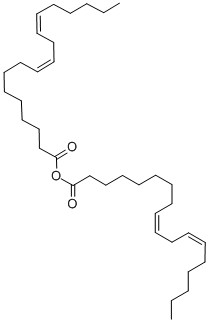
- 24909-68-0
- C36H62O3
- 542.88
- All (0)
- China (0)
- (0)
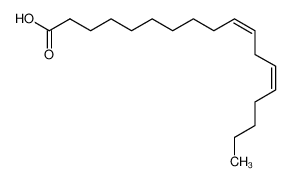
- 5027-60-1
- C18H32O2
- 280.44500
- All (25)
- China (7)
- (25)

- 60-33-3
- C18H32O2
- 280.45
- All (25)
- China (7)
- (25)
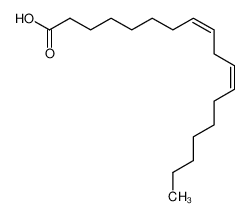
- 4906-90-5
- C18H32O2
- 280.44500
- All (25)
- China (7)
- (25)
Related Products More >

- CNY Request For Quotation
- CNY Request For Quotation
- CNY Request For Quotation
- CNY Request For Quotation
- CNY Request For Quotation
- 60-33-3
- USD 30.0000
- 25kg
- 60-33-3
- Request For Quotation
- 1kg
- 60-33-3
- Request For Quotation
- 25kg


When it comes to cooking, cold-pressed oils skip the chemical refining process, but they’re also more expensive. Refined oils aren’t necessarily unsafe, since most of the processing residues are removed. The bigger concern is how we use these oils — they’re often linked with ultra-processed foods, which are loaded with sugar and salt. If you’re using seed oils at home in a stir-fry or salad, they can actually be a healthy choice. So instead of fearing seed oils, it’s better to focus on variety, balance, and keeping your overall diet in check.
The omega-3 to omega-6 ratio matters, but the focus should be on boosting omega-3 intake (e.g., via fish, flaxseeds) rather than cutting omega-6, as both offer benefits. Western diets often have imbalanced ratios (up to 50:1 vs. the ideal 4:1), linked to cognitive decline and ulcerative colitis, but high omega-6 from seed oils alone does not increase disease risk.
Processing affects safety: refined seed oils use hexane for extraction, but subsequent deodorization and bleaching remove residues, making them safe. Cold-pressed oils avoid chemicals via mechanical squeezing but are costlier and not inherently "healthier"—refined oils retain omega-6 benefits without harmful compounds. A key misconception is linking seed oils to ultra-processed foods (UPFs): UPF harms stem from sugar, salt, and additives, not the seed oils themselves. For most people, seed oils are a healthy fat source when part of a balanced diet, though those with triple-negative breast cancer may need to moderate omega-6 due to its role in fueling specific tumor growth via protein complexes that transport fatty acids to cancer cells.
The omega-6:omega-3 balance remains contentious. While a 2022 WHO meta-analysis linked a high ratio to cognitive decline and ulcerative colitis, other studies suggest that increasing omega-3 intake—rather than reducing omega-6—is more beneficial, as both fats support health. Linoleic acid, a primary omega-6 in seed oils, lowers LDL cholesterol and improves glucose metabolism, reducing diabetes risk. Even in cancer research, while omega-6s may fuel aggressive triple-negative breast cancer (TNBC) by activating tumor-promoting proteins, eliminating omega-6s entirely could harm health due to their essentiality.
Processing methods also influence oil quality. Refined seed oils undergo hexane extraction, deodorization, and bleaching, which remove potential contaminants but may degrade nutrients. Cold-pressed oils, though pricier, retain more antioxidants and flavor by avoiding chemicals and heat. In cooking, seed oils like canola outperform olive oil in reducing LDL cholesterol and body weight, particularly for diabetics. Soybean oil consumption correlates with a 6% lower all-cause mortality risk per 5g daily intake.
Industrially, seed oils dominate food manufacturing due to their neutral taste, high smoke points, and cost-effectiveness, though their association with ultra-processed foods (UPFs) has fueled criticism. However, UPFs’ harms stem from added sugars, salts, and artificial additives, not seed oils alone. Medically, omega-6s’ dual role in inflammation and cell growth underscores the need for balanced intake. For instance, while TNBC patients might benefit from omega-6 restriction, general populations gain cardiovascular protection from these fats.
Ultimately, seed oils’ health impacts depend on context. Replacing saturated fats (e.g., butter) with seed oils improves cholesterol and reduces disease risk. Emphizing whole foods over UPFs, rather than demonizing seed oils, aligns better with evidence-based nutrition. Future research should explore personalized omega-6:omega-3 ratios and processing innovations to maximize benefits while minimizing risks.